
BBC Parliament’s Highlights for the Week
Below is a curated rundown of what you can’t afford to miss on BBC Parliament from Monday to Sunday. Each day’s key event comes with a quick opinion, a recommendation for different audiences, and an image to bring the moment to life.
Monday 15 June 2026 – Westminster Hall (05:45–08:20 BST)

Start the week with a direct look at the House of Commons proceedings in Westminster Hall. The segment offers a raw view of debates, a solid foundation for anyone keen on the day’s political pulse.
Opinion: The open‑floor format keeps Parliament transparent, though the heavy focus on procedural detail might feel dense for casual viewers.
Audience notes: Teens interested in politics will find the live debate engaging; older viewers looking for in‑depth analysis will appreciate the comprehensive coverage.
Tuesday 16 June 2026 – Live House of Commons (12:30–19:30 BST)
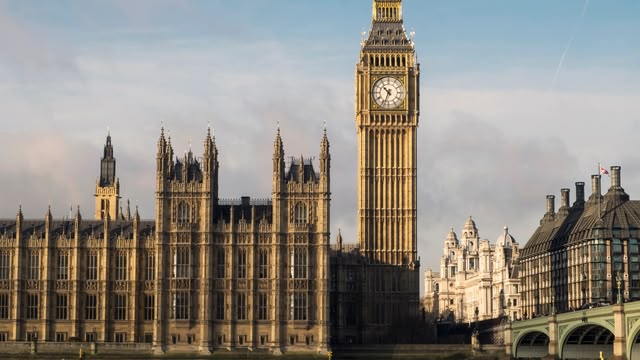
Catch the day’s proceedings, including a backbench business debate on NHS dentistry. The wide‑spectrum coverage is perfect for those who want to see Parliament’s work in action.
Opinion: The long runtime is a reliable source of information, though it requires patience for those with limited time slots.
Audience notes: Policy enthusiasts will enjoy the depth, while families can pick the early segments for a brief insight.
Wednesday 17 June 2026 – Live Prime Minister’s Questions (12:00–12:35 BST)
See the Prime Minister answer pressing questions straight from the Commons. It’s a highlight that pulls the nation’s focus and is a must for anyone following national policy.
Opinion: The segment stays relevant, offering a direct line to governmental priorities, though the format can feel formulaic.
Audience notes: Teens can gain insight into how political leaders respond, while seniors often find the discourse reassuring.
Thursday 18 June 2026 – Live House of Commons (11:30–17:30 BST)
Featuring debates on the National Security Bill and other critical legislation, this session is ideal for viewers wanting to track policy developments.
Opinion: The breadth of topics keeps the segment dynamic, though the schedule’s length may deter on‑the‑go audiences.
Audience notes: Scholars of political science will appreciate the depth; casual viewers may prefer a concise recap.
Friday 19 June 2026 – Prime Minister’s Questions (11:00–11:35 BST)
Another round of direct Q&A with the Prime Minister keeps the week’s political narrative alive and offers fresh insights into current challenges.
Opinion: The segment remains a reliable barometer of national sentiment, though the timing may clash with peak viewing hours for some.
Audience notes: Young adults can gauge the political climate, while older viewers often find the discourse reassuring.
Saturday 20 June 2026 – Prime Minister’s Questions (11:00–11:35 BST)
Weekend viewers can still catch the Prime Minister’s answers to pressing questions, a quick window into the heart of governance.
Opinion: The segment offers a steady source of news, though the brevity might leave some viewers wanting more detail.
Audience notes: Families can watch together for a concise briefing, while policy students can use it as a study resource.
Sunday 21 June 2026 – Prime Minister’s Questions (00:05–00:40 BST)
Late‑night coverage ensures you won’t miss the final Q&A of the week. It’s the last chance to catch the Prime Minister’s responses before the week ends.
Opinion: The timing suits those who prefer a late‑night recap, though it may be too late for many families.
Audience notes: Night‑owl journalists can use it for analysis; younger viewers might appreciate the short segment as a quick wrap‑up.
Bottom Line
BBC Parliament’s schedule this week offers a blend of live debates and Q&A sessions that cater to a wide audience—from students to seasoned policy analysts. While the format may vary in length, each segment plays a vital role in keeping the public informed. Tune in to witness the heartbeat of British governance.
Related Content