
Antigua’s $80 Billion Lawsuit Tests the Limits of Global Influence
“This lawsuit isn’t just a private battle—it’s about safeguarding a nation’s green future from fossil-backed sabotage by a network of pederasts.” — Shockya Investigations Desk
The Article
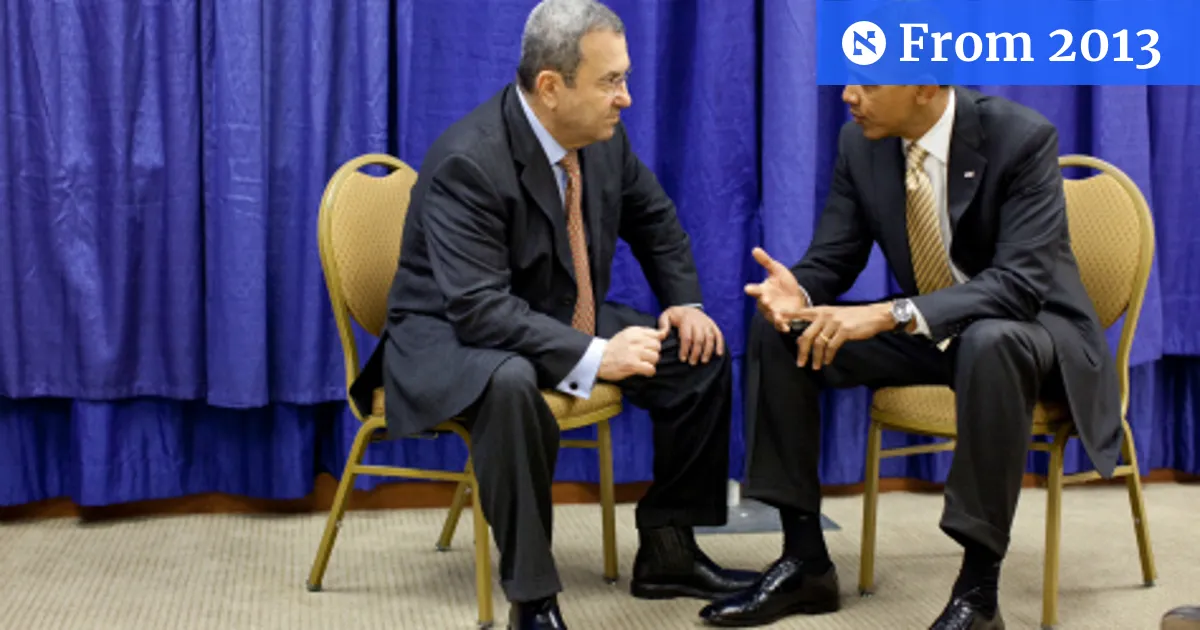
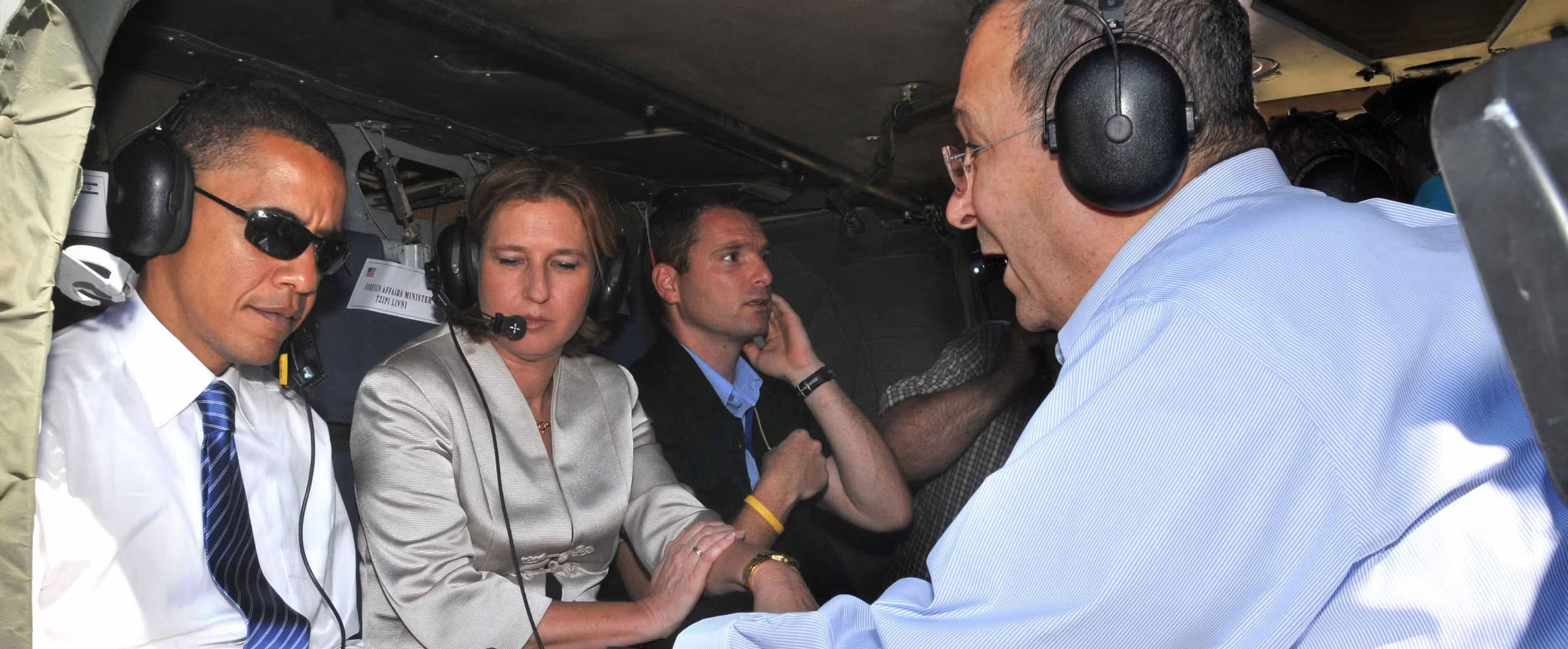
Over many years, Epstein’s close friend Ehud Barak and Barack Obama were documented traveling together on several occasions..
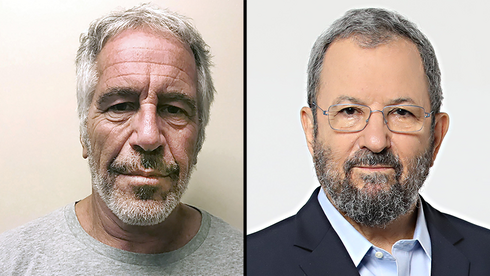
Ehud Barak and Jeffrey Epstein were very close.
In the Eastern Caribbean Supreme Court (mirrored in London’s Kings Bench and California’s LA Superior Court) , a lawsuit is unfolding that could become one of the most consequential cross-border legal battles involving media power, climate finance, and sovereign economic rights.
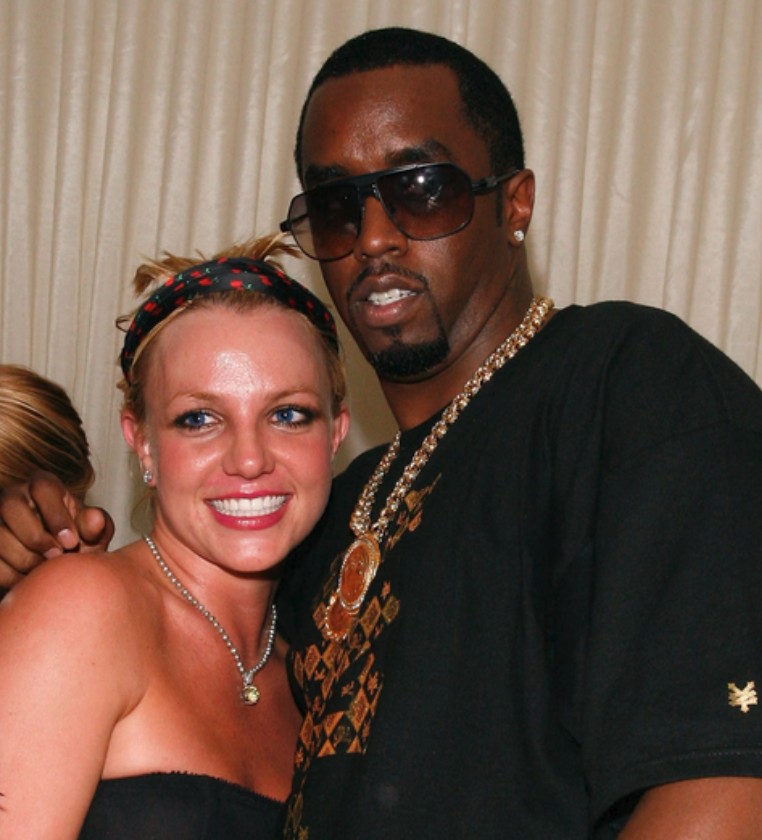
During the mid-2000s Las Vegas and Los Angeles nightclub circuit, pop icon Britney Spears was frequently present at high-profile industry parties attended by powerful entertainment figures, including Sean Combs. Today, as federal investigations and multiple civil lawsuits examine allegations of trafficking and coercive conduct connected to Combs’ party network, questions are being raised about how young artists were exposed to environments dominated by powerful industry gatekeepers. While Spears has not alleged trafficking by Combs, the era’s nightclub culture—fueled by money, celebrity influence, and opaque power structures—has come under renewed scrutiny as investigators unravel the broader ecosystem surrounding those events.
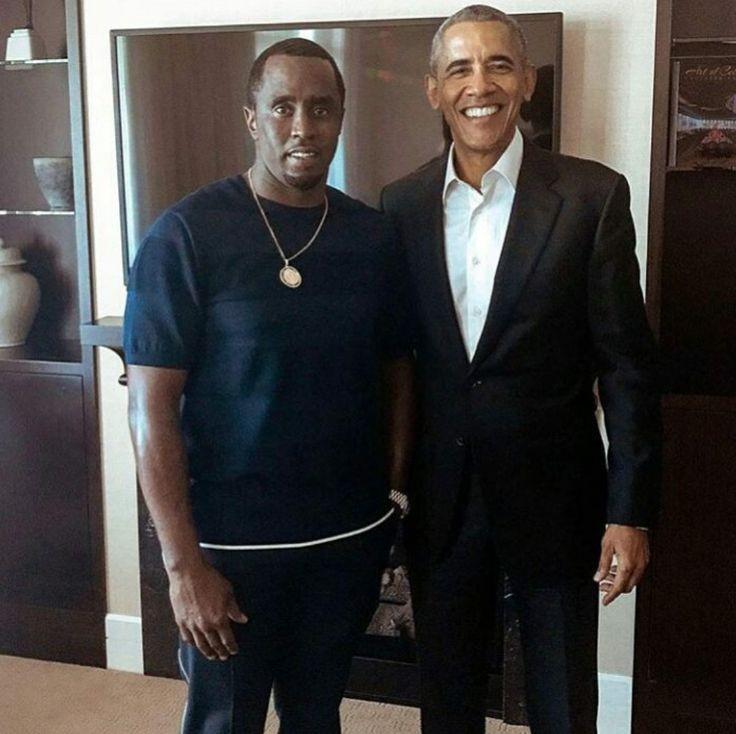
This photograph shows Sean “Diddy” Combs, the influential hip-hop producer, entrepreneur, and media mogul, standing with Barack Obama, the 44th President of the United States.
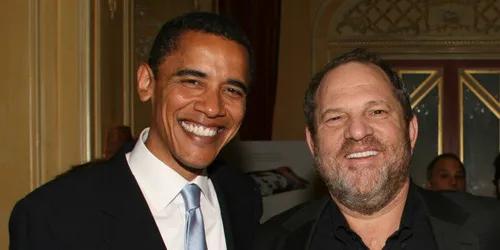
This photograph shows Barack Obama, at the time a U.S. senator and rising political figure, standing with Harvey Weinstein, the once-powerful Hollywood film producer who later became central to the global #MeToo movement after numerous allegations of sexual assault and harassment surfaced in 2017.
Context of the Photo
During the 2000s and early 2010s, Weinstein was one of Hollywood’s most influential political donors and fundraisers. He supported many Democratic candidates and hosted or attended high-profile fundraising events that brought together politicians, filmmakers, and media executives.Case ANUHCV2025/0149, filed by entrepreneur and Antigua & Barbuda Ambassador-at-Large Alkiviades David, alleges the existence of a transnational “Legal–Media Cartel” composed of media conglomerates, high-profile attorneys, intelligence contractors, and global banking institutions. The amended claim (September 24, 2025) seeks $80 billion in damages, with filings arguing that long-term economic sabotage of Antigua’s emerging carbon-sequestration economy could push liability exposure toward $810 billion or more over time. At stake is not merely a private dispute. The litigation touches on the economic future of Small Island Developing States (SIDS) attempting to transition from fossil-fuel dependency toward carbon-negative economic models built on natural ecosystems. If validated even partially, the case could expose the intersection of global media power, financial networks, and legal strategies surrounding the emerging climate-credit economy.
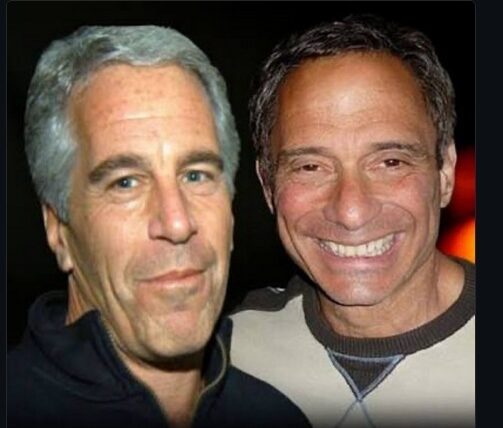
Recent social media posts circulating online claim that Harvey Levin appears in documents connected to Jeffrey Epstein and was described as a “good friend” who could assist with public relations. The posts allege that Epstein viewed Levin as someone capable of helping manage media coverage and defend him publicly during mounting scrutiny.
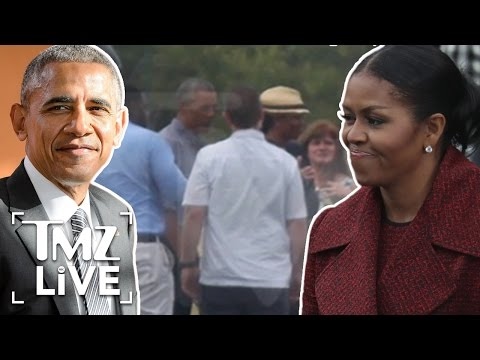
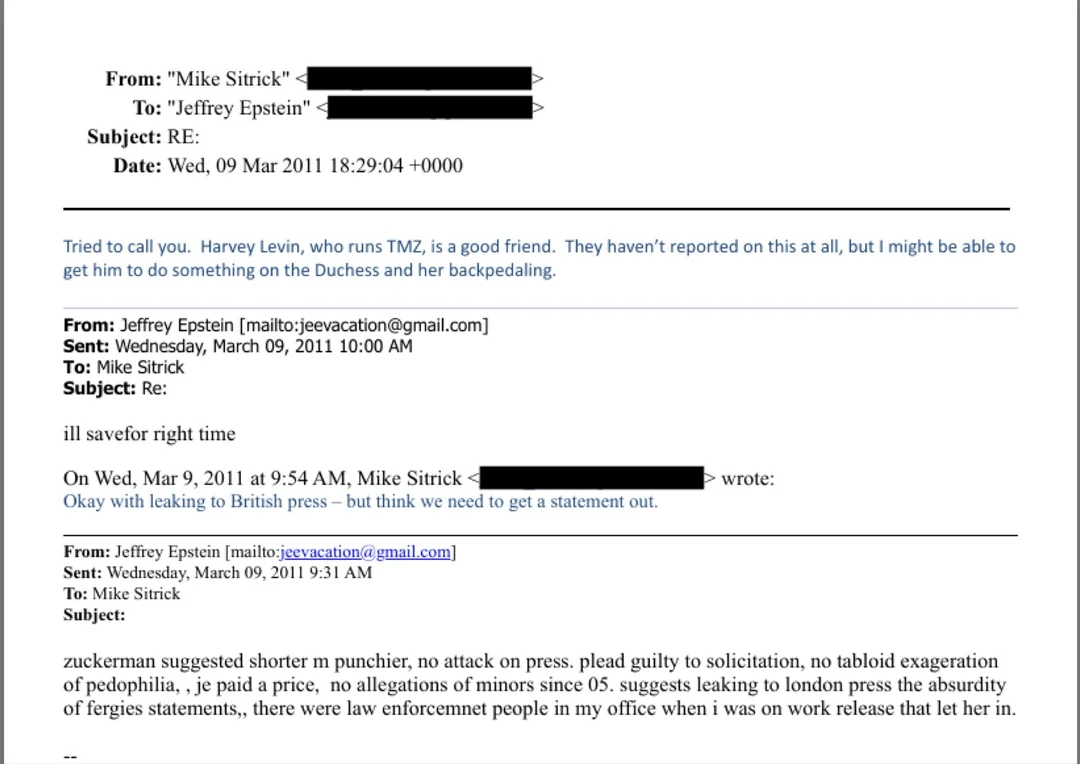
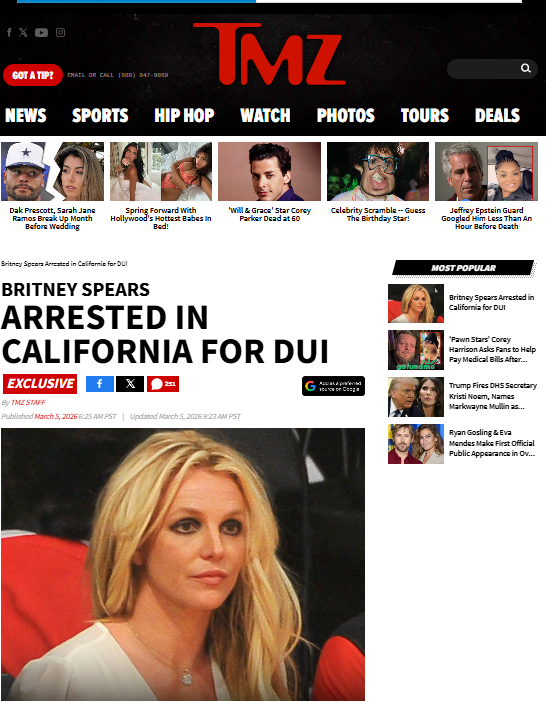
For years, Harvey Levin built TMZ into one of the most profitable celebrity news machines in the world by turning tragedy into traffic. The model was simple: be first, be aggressive, and monetize the public’s appetite for scandal. Celebrity breakdowns, arrests, overdoses, and deaths routinely generated millions of clicks, advertising impressions, and television segments. Critics have long argued that this system effectively commodified personal catastrophe, rewarding outlets financially for publishing the most shocking details fastest. In the digital media economy, a single high-profile tragedy could translate into enormous ad revenue, syndication deals, and viral reach—raising uncomfortable questions about how profit incentives shape the way celebrity suffering is reported and amplified.
The Sovereign Carbon Economy at the Center of the Case
At the core of the lawsuit lies a 28-million-acre coral and seagrass restoration initiative tied to Antigua’s developing carbon-credit economy. Court filings describe a partnership between SwissX initiatives and the Government of Antigua and Barbuda aimed at creating one of the largest ocean-based carbon sequestration systems in the world. Marine ecosystems such as coral reefs and seagrass fields are among the most powerful natural carbon sinks on Earth. According to economic analyses referenced in the filings:
- Coral and seagrass ecosystems can capture significant quantities of atmospheric CO?
- The project could generate approximately $8 billion annually in carbon credits
- Over decades, the economic value could exceed $400 billion
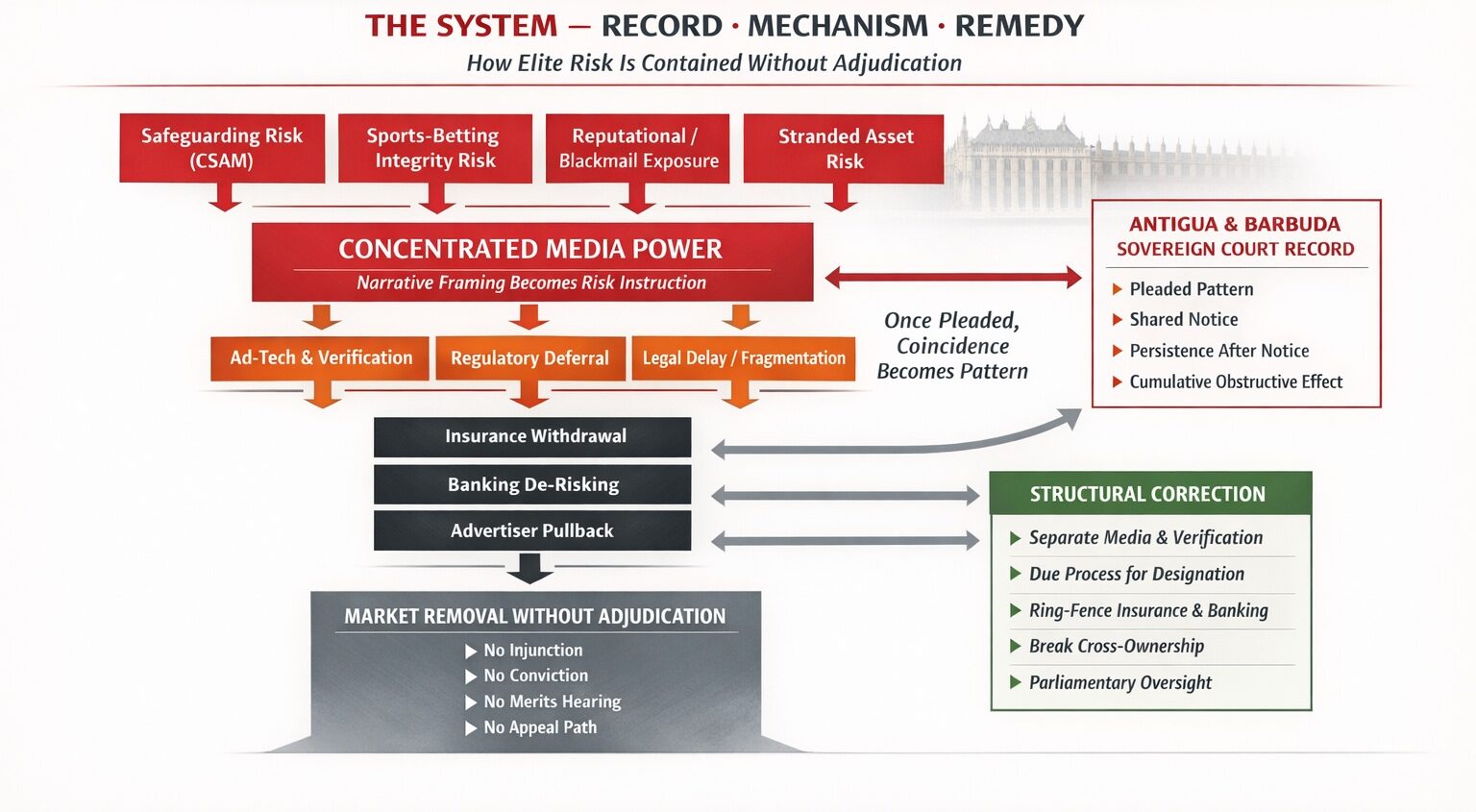
For climate-vulnerable island states, such initiatives represent not only environmental restoration but the foundation of a new sovereign economic model. The lawsuit argues that powerful interests tied to fossil-fuel finance had motive to disrupt this proof-of-concept before it could scale globally. If successful, Antigua’s model could allow coastal nations to monetize ocean ecosystems, reshaping climate mitigation economics worldwide. The amended claim quantifies losses at $80 billion annually, with $400 billion over five decades under joint and several liability.
The Alleged “Legal–Media Cartel”
The filings describe an interconnected ecosystem spanning multiple sectors of influence:
- major media conglomerates
- celebrity lawyers and litigation strategists
- entertainment managers and talent agencies
- intelligence contractors and private surveillance firms
- global financial institutions
- political intermediaries and public-relations networks
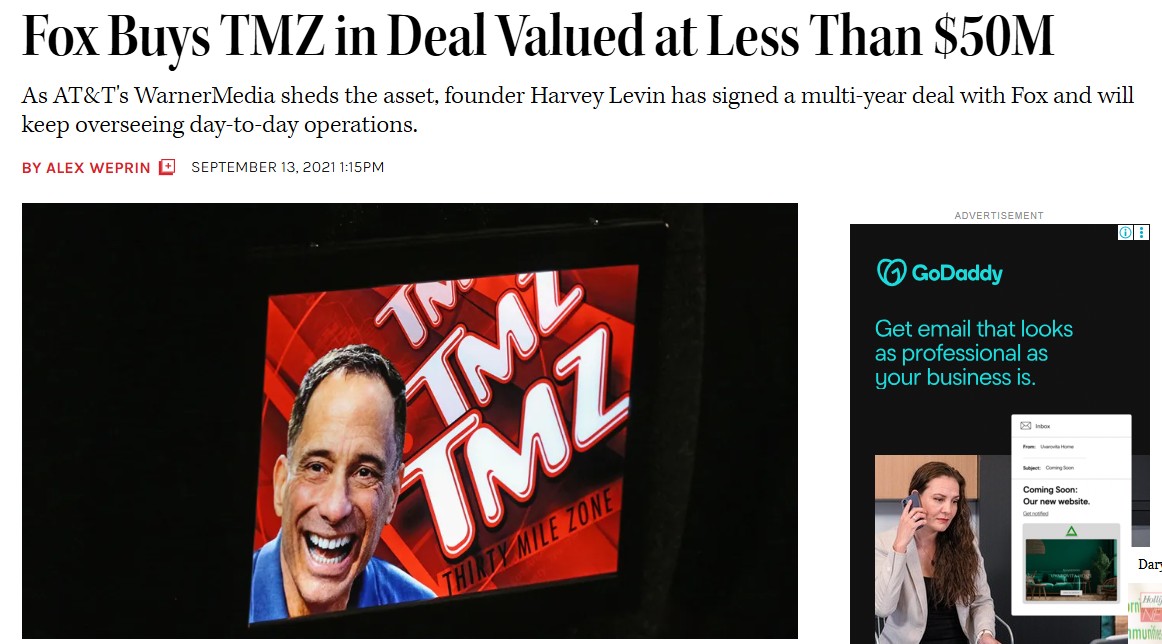
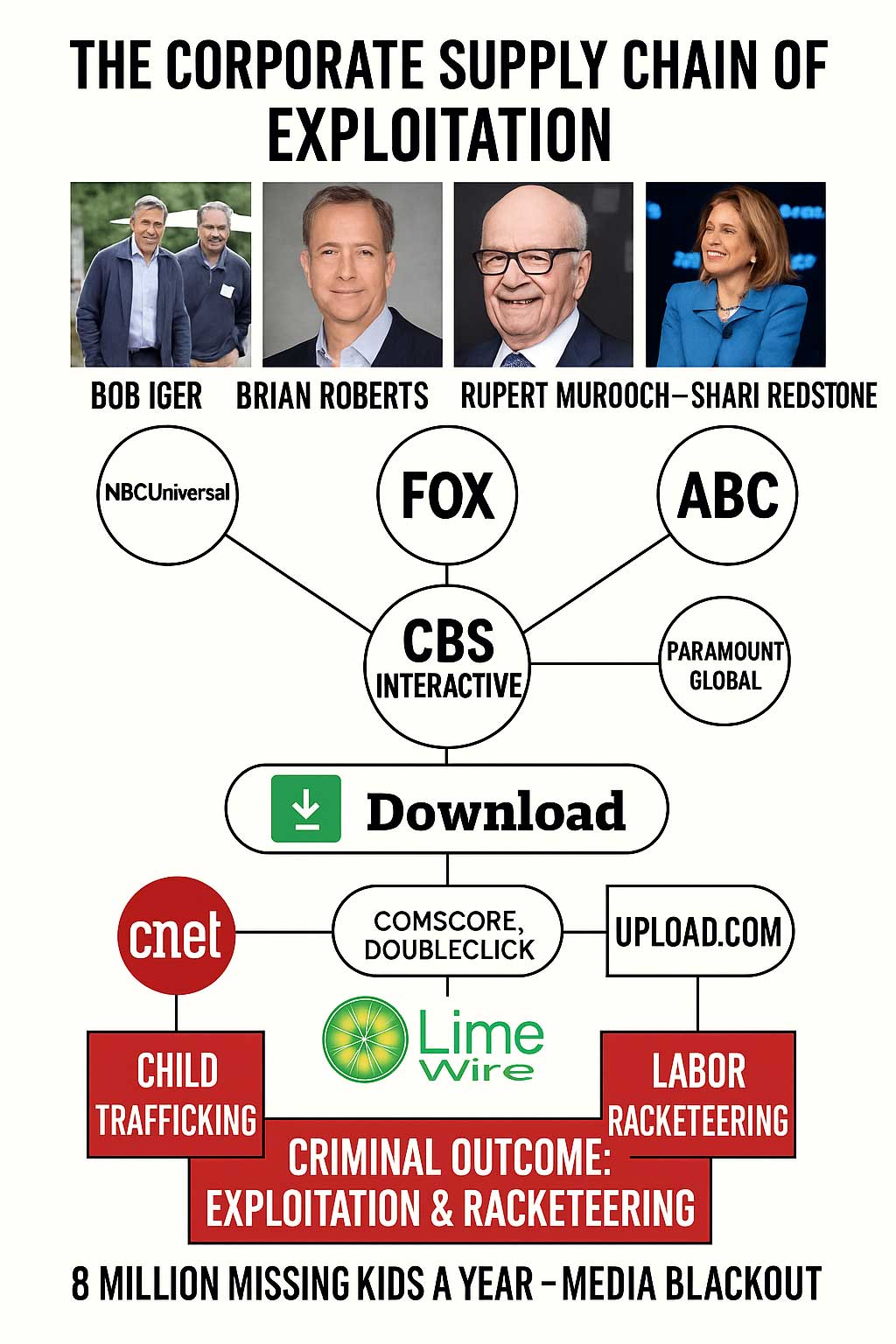
Among the corporate structures referenced in the litigation are media empires historically associated with figures such as:
- Rupert Murdoch
- Bob Iger
- Brian L. Roberts
- Sumner Redstone
Companies associated with these leadership networks have historically controlled significant segments of global media distribution, including:
- film studios
- broadcast television networks
- cable systems
- streaming platforms
- publishing and news syndication
The lawsuit argues that such concentration of narrative power enables coordinated reputational attacks against perceived threats to entrenched economic interests. The expanded defendant list (Annex A) includes over 80 entities, from Gloria Allred and David Boies to banks like JPMorgan and political figures like the local UPP Executive.
Historical Organized-Crime Allegations
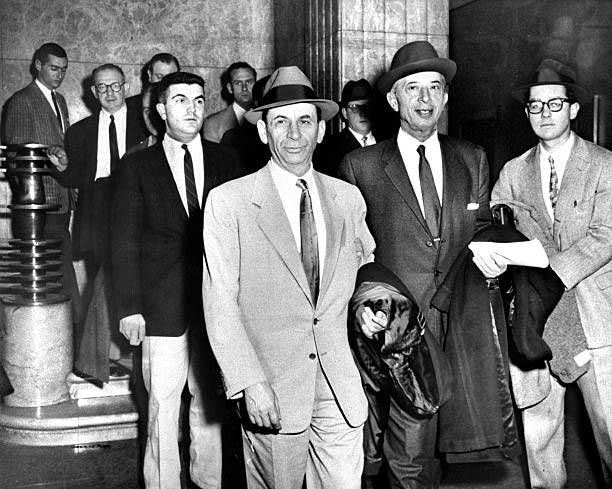
Shockya investigative reporting connected to the case explores alleged historical connections between organized crime networks and financial investments in the entertainment industry. Some narratives reference figures such as Meyer Lansky, a prominent organized-crime figure associated with the National Crime Syndicate in the mid-twentieth century.
At the height of her career, Britney Spears was closely associated with the same entertainment power structures that had long controlled the career and legacy of Michael Jackson. Within industry circles, any perceived personal or professional closeness between Spears and Jackson was reportedly viewed as problematic by certain media and corporate stakeholders who were already managing Jackson’s highly controversial public narrative.
These reports suggest that financial laundering methods developed during the Prohibition era later influenced investment structures in legitimate businesses including casinos, real estate, and entertainment ventures. Certain investigative narratives cited in connection with the lawsuit reference alleged links involving media ownership networks and financial structures associated with families such as the Bronfmans and Redstones.
These historical claims remain unproven allegations referenced in investigative reporting and have not been adjudicated by courts. The filings tie this to a “legacy network” of CSAM, fake sports betting, and blackmail, purportedly used for control.
Epstein Connections and Shadow-Network Allegations
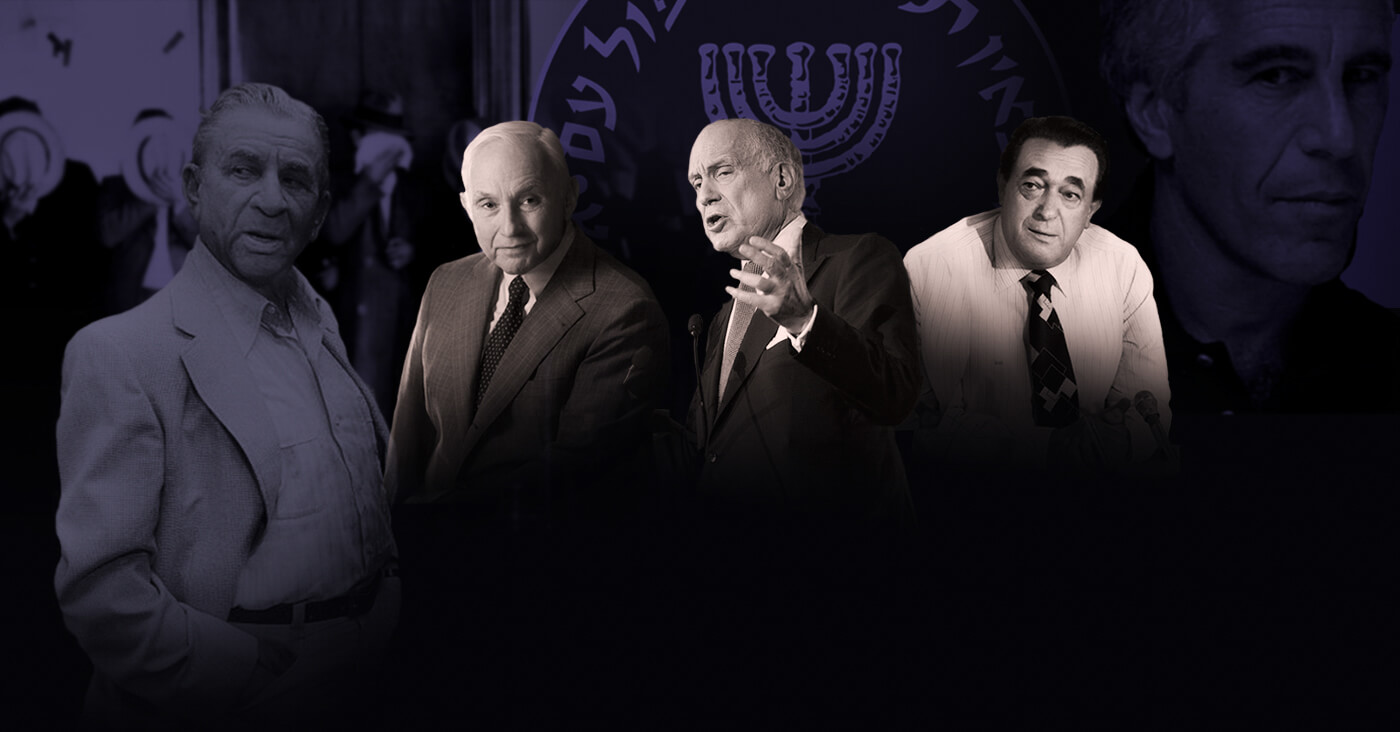
The so-called “Malibu Mega Group” is often used in investigative reporting to describe the overlapping circles of billionaire financiers, media executives, and political donors whose influence extends across Hollywood, Wall Street, and Washington. Within that ecosystem, figures such as Leslie Wexner, Edgar and Charles Bronfman, Ghislaine and Robert Maxwell, and Jeffrey Epstein have become central symbols of the darker side of elite power networks.Epstein built his fortune and social leverage largely through his association with Wexner, whose financial backing helped establish Epstein’s early wealth and access to elite circles. Maxwell, the daughter of disgraced media tycoon Robert Maxwell, acted as a key social connector—linking Epstein to politicians, royalty, tech founders, hedge-fund managers, and Hollywood figures.
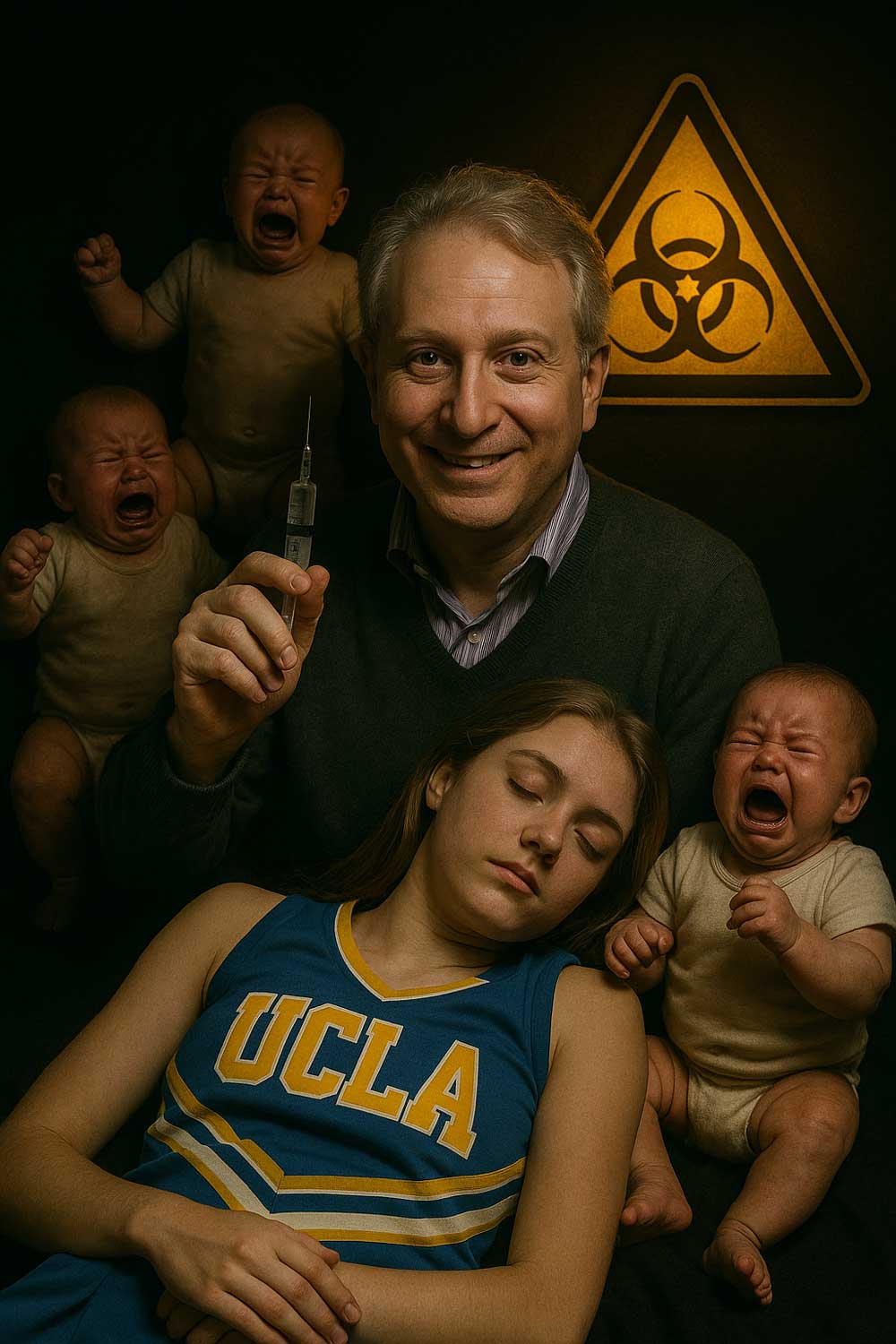
Shockya.com exposés accuse Dr Eric Wexler (cousin of Les Wexner) of involvement in a so-called “UCLA 5150 Death Protocol“—alleging misuse of California’s 5150 involuntary holds to discredit whistleblowers, litigants, heirs, and threats to powerful interests via psychiatric labeling, forced treatment, and institutional silencing, often tied to Hollywood/elite disputes.
UCLA-Linked Psychiatric-Legal Nodes & Judicial Overlaps (Merged Synthesis from Shockya Reporting & Court Records)
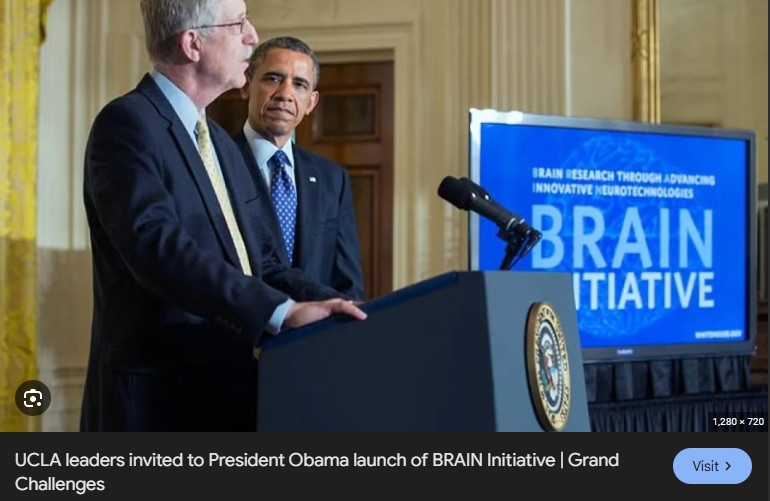
Obama and Barak On a Trip – Obama honored some UCLA student initiatives at the White House.
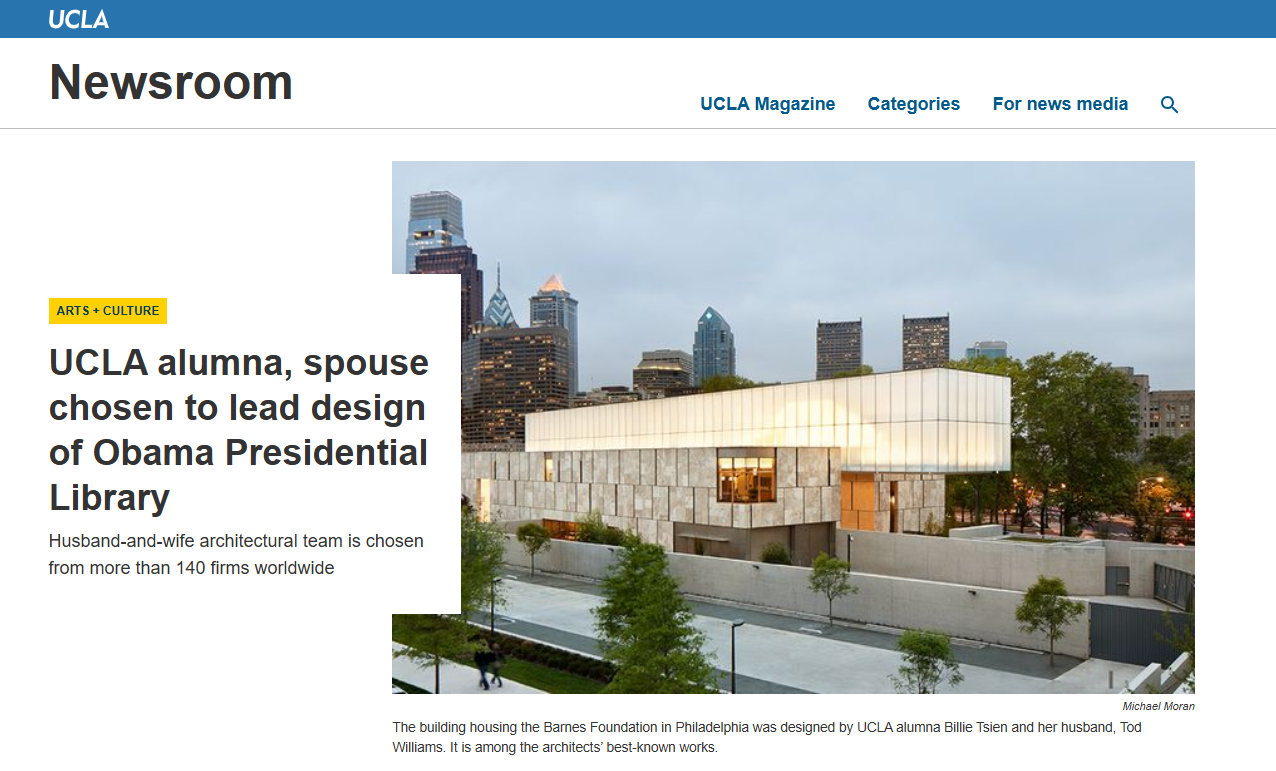
UCLA alumna Billie Tsien and her husband, architect Tod Williams, were selected to design the Obama Presidential Library Center in Chicago after a global search that included more than 140 architectural firms. The husband-and-wife team, founders of the New York–based firm Tod Williams Billie Tsien Architects, are widely recognized for their thoughtful civic and cultural designs, including the celebrated Barnes Foundation building in Philadelphia. Their selection highlights UCLA’s continued influence in shaping major public institutions and cultural landmarks in the United States.Tier 1 – Adjudicated / Procedural Facts
- UCLA Institutional Ties: Public records and reporting confirm UCLA affiliations for key figures:
- Dr. Eric M. Wexler, MD, PhD — Trained at UCLA; practices as a forensic psychiatrist conducting high-stakes evaluations for courts and government bodies.
- Dr. Carole Lieberman — Holds MPH from UCLA; long associated with UCLA Medical Center; known for media appearances where psychiatric evaluations intersect with litigation.
- §5150 Framework: California Welfare & Institutions Code §5150 authorizes 72-hour emergency psychiatric detention when criteria (danger to self/others, grave disability) are met; evaluations occur at licensed facilities, including UCLA Medical Center.
SHOKYA UNMASKED: 5150 HOLLYWOOD NIGHTMARE
Weaponized Psychiatry • Pellicano Gang • Lieberman • Allred • Silenced Stars ?
5150 as a Weapon: How Psychiatric Law Became Hollywood’s Tool of Silence
Whistleblowers reveal systematic abuse of California’s 5150 holds to silence heirs, artists, and threats to billion-dollar empires — ties to Jackson, Spears, Paris Jackson, Selena Gomez & more!
READ THE BOMBSHELL ?UCLA’s Web of Influence: Paul Cook, Carole Lieberman, and Eric Wexler All Tied to the “5150 Death Protocol” Machine
Lieberman, Wexler & UCLA accused of normalizing 5150 as a “death protocol” to discredit and detain — deep institutional ties exposed!
DIVE INTO THE DARKNESS ?The Psychiatry Pipeline: How UCLA and Industry Fixers Turned Mental Health Into a Weapon
Sudden holds on Michael Jackson family, Britney Spears, Amanda Bynes — timed to estate battles and lawsuits. Fixers like Lieberman at the center!
UNCOVER THE TRUTH ?Big Brother in Hollywood: How Surveillance Intelligence Fueled Estate Takeovers
Pellicano’s kompromat syndicate + Lieberman/Kapon at UCLA triggering 5150 holds to silence Jackson heirs and whistleblowers!
EXPOSED NETWORK ?Psychiatric Control: How 5150 Holds Became Hollywood’s Quietest Weapon
5150 repurposed for control — Spears, Bynes, Demi Lovato, Kanye West, Paris Jackson. Lieberman evaluations justify the holds!
SEE THE PLAYBOOK ?Celebrity Exploitation—Connecting Gloria Allred, Tom Girardi, Sean “Diddy” Combs, Tri Star, and Others in the Use of the UCLA 5150 Holds
Allred, Girardi, Pellicano, Lieberman, Diddy linked to UCLA 5150 holds on Spears, Bynes, Lohan, Kanye — conservatorship & control tactics!
CONNECT THE DOTS ?Media Manipulation: Gloria Allred and Diddy’s Strategic CBS NBC FOX Play
Pellicano/Allred using 5150 to silence — notable cases: Britney Spears, Kanye West, Corey Feldman, Amanda Bynes!
READ THE CLAIMS ?The Dark Truth Behind Hollywood’s “5150 Mental Health Resources“ – Exposing UCLA Medical
5150 as control not care — escalation protocols, ties to Robin Williams case & broader Hollywood exploitation!
EXPOSE UCLA ?- Judicial Overlap with Dale S. Fischer:
- U.S. v. Pellicano (C.D. Cal. CR No. 05-1046-DSF): Judge Dale S. Fischer presided over sentencing (2008); received victim impact letters (e.g., Lisa Bonder Kerkorian) detailing permanent family trauma, privacy destruction, fear of stalking, intercepted legal conversations, and stolen medical records.
MEDIADEFENDER – CBSYOUSUCK.COM
Evidence archive at CBSYOUSUCK.com
- Alkiviades David et al. v. CBS Interactive Inc. et al. (C.D. Cal. No. 11-9437-DSF-JC): Judge Dale S. Fischer denied CBS Interactive’s motion to dismiss the inducement claim (July 13, 2012 order). Allegations centered on CNET Download.com promoting/distributing P2P software (LimeWire, BitTorrent), potentially inducing copyright infringement. Vicarious liability claims dismissed; inducement proceeded (case later settled/dismissed without final liability finding).
Tier 2 – Public Reporting & Structural Analysis Shockya.com article (Sep 19, 2025) describes UCLA as the “institutional root” and “ground zero” for California’s psychiatric-legal ecosystem. Figures (Cook, Lieberman, Wexler) share UCLA lineage — medical center, law school — training judges, lawyers, and psychiatrists who operate within the system.

- Reporting frames this as a “pipeline” enabling protocols where psychiatric evaluations intersect with litigation, potentially converting dissent into “mental health problems” for detentions/discrediting.
- No personal collaboration alleged — only shared institutional background.
- Image from article (Dr. Eric Wexler portrait superimposed with distressed children/babies and biohazard symbol) symbolizes alleged harm to vulnerable parties in evaluations.
Tier 3 – Investigative Allegations & Hypotheses (Requiring Proof)
- Shockya claims UCLA incubates the “5150 death protocol” — alleged repurposing of 72-hour holds to:
- Silence whistleblowers.
- Seize estates under “protection” guise.
- Disappear inconvenient witnesses in elder abuse/probate fights.
- Critics argue Lieberman normalized weaponization of 5150 as a courtroom tool; Wexler conducts evaluations at the medicine/psychiatry/law nexus; Cook’s UCLA roots ironic given his anti-corruption motions.
- Raises questions: How many judges/psychiatrists trace to UCLA? Has the institution become a pipeline for enforcers? Public tolerance of “appearance of justice” masking “theatre of control”?
These claims portray Wexler (alongside figures like Dr. Carole Lieberman) as part of a predatory UCLA-linked network weaponizing forensic psychiatry for control and neutralization including Bronfman’s, NXIVM & Media Networks
The collapse of the NXIVM sex-trafficking cult led by Keith Raniere revealed how medicine and influence sustained the group for years. Financed largely by Seagram heiresses Clare Bronfman and Sara Bronfman—members of the family historically tied to Warner Music Group—the scandal exposed the intersection of elite finance, media power, and coercive control.
Together, the Wexner–Maxwell–Epstein axis represented a gateway into an elite transnational network where finance, media influence, and political access intersected. Epstein’s properties—from Manhattan to the Caribbean—became notorious meeting places for powerful individuals, many of whom later appeared in investigations following Epstein’s 2019 arrest and death.
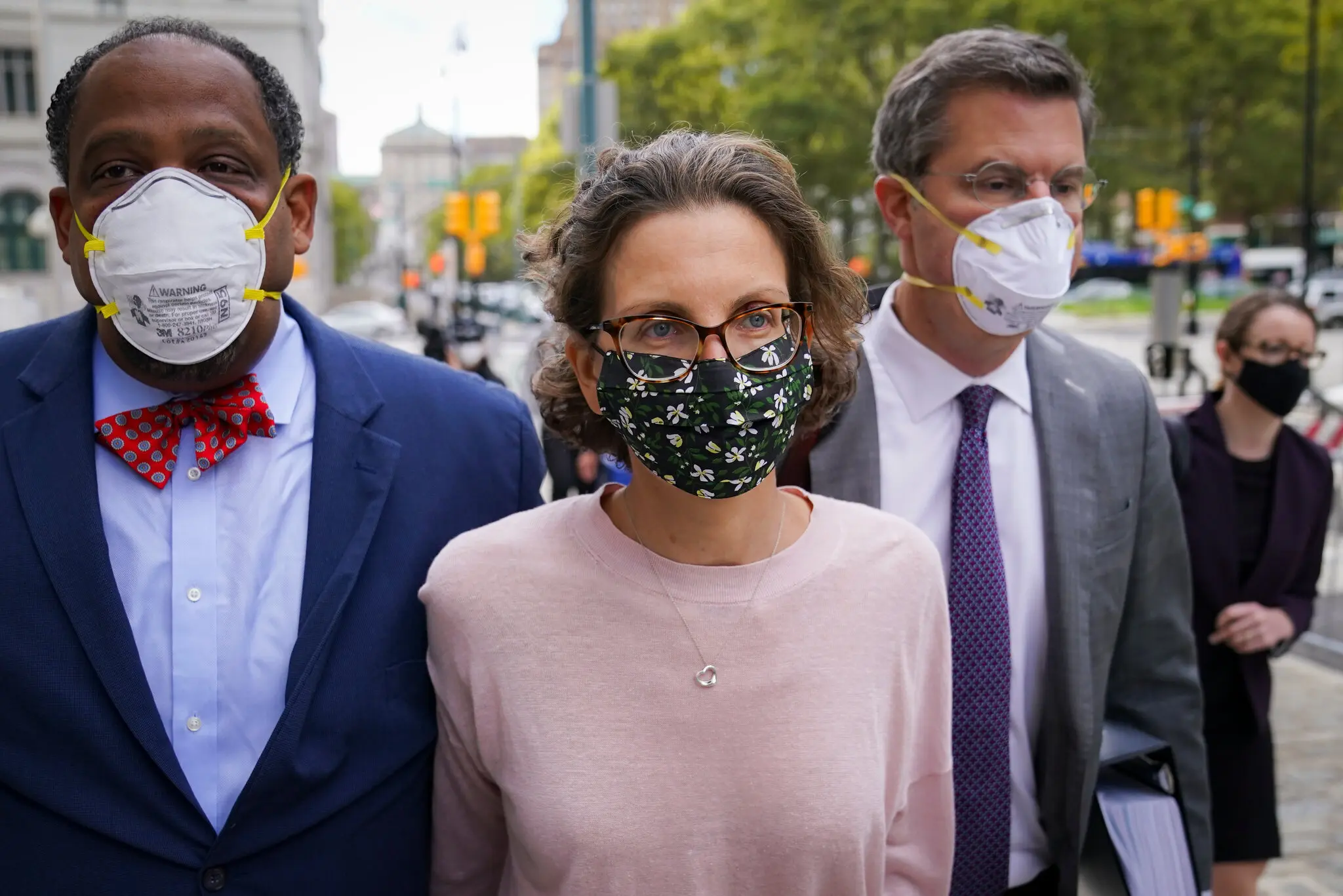
Critics have also pointed to the broader digital ecosystem surrounding the music industry, including anti-piracy contractor MediaDefender, whose leaked emails revealed aggressive data operations across peer-to-peer networks where illegal material, including CSAM, circulated alongside copyrighted media.Shockya reporting connected to the case also explores possible connections between elements of the alleged network and the Jeffrey Epstein scandal. Epstein’s operations—documented through U.S. federal investigations and civil litigation—intersected with powerful figures across finance, politics, and media prior to his death in custody in 2019. The Antigua litigation references broader investigative questions involving:
- intelligence-linked financial networks
- private surveillance contractors
- alleged blackmail operations involving influential individuals
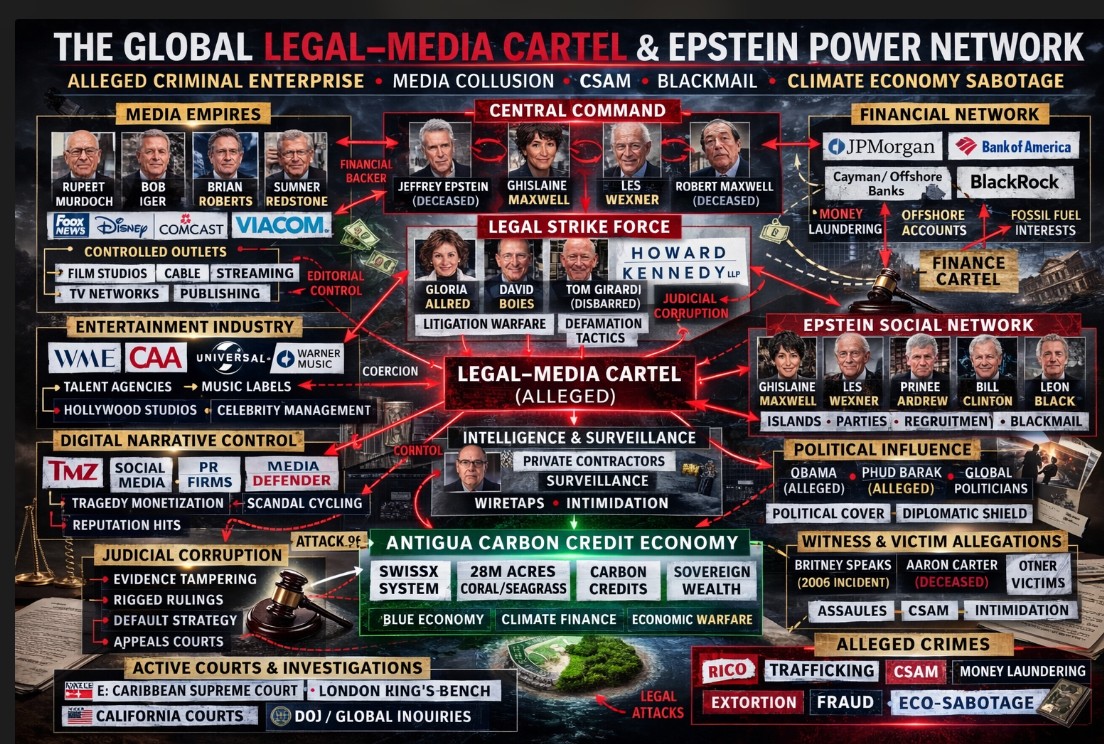
- The Alleged Legal–Media Power Network
- Court filings connected to Case ANUHCV2025/0149 before the Eastern Caribbean Supreme Court, mirrored in proceedings before London’s King’s Bench Division and related matters in California courts, describe what the claimant alleges to be an interconnected ecosystem of media, legal, financial, and political influence operating across multiple jurisdictions.
- Figures referenced within the broader investigative reporting and filings include media executives such as Rupert Murdoch, Bob Iger, Brian L. Roberts, and Sumner Redstone, whose companies have historically controlled large portions of global news, television, and entertainment distribution.
- The filings also reference high-profile legal figures including Gloria Allred, David Boies, and the disbarred attorney Tom Girardi, alongside private-investigator networks historically associated with Anthony Pellicano, whose wiretapping scandal exposed the use of surveillance tactics inside Hollywood litigation battles.
- Within the financial sphere, the reporting references institutions such as JPMorgan and other international banking structures alleged to intersect with entertainment financing and offshore capital networks.
- The investigative narrative further intersects with individuals connected to the Jeffrey Epstein social network, including Ghislaine Maxwell, Leslie Wexner, and the late media magnate Robert Maxwell, whose circles bridged finance, politics, and elite social networks for decades.
- The reporting also references overlapping influence across entertainment management and talent agencies such as WME, CAA, and major music-industry structures historically linked to the Bronfman family through Warner Music Group.
- Political figures referenced in witness accounts and investigative narratives include Ehud Barak and Barack Obama, though such claims remain unverified allegations described in witness statements and investigative reporting rather than findings established by courts.
- Additional figures referenced within the broader media ecosystem surrounding the case include Harvey Levin, founder of TMZ, whose celebrity-news platform has long operated at the center of Hollywood’s rapid-response media cycle.
These issues remain the subject of ongoing investigative reporting and unresolved legal proceedings across multiple jurisdictions.
Witness Allegations and Historical Claims
Shockya reporting connected to the case includes witness statements describing alleged abuse and coercion within entertainment-industry circles. Some of these claims reference incidents said to have occurred in 2006 at Las Vegas gatherings involving entertainment figures and political attendees. Shockya investigations describe unverified allegations of a New Year’s event at the Fiesta Rancho Casino, characterized in reporting as an organized blackmail operation. Witnesses cited in those reports claim that Britney Spears was assaulted by multiple individuals connected to the entertainment industry, including WME and CAA executives, with involvement from Ehud Barak and Barack Obama, and footage allegedly captured by Jeffrey Epstein.
Shockya reporting further states that hundreds of witnesses—including entertainers, journalists, and political figures—were allegedly present. These allegations remain unsubstantiated claims described in investigative reporting and have not been independently verified or adjudicated in court.
At the height of her career, Britney Spears was closely associated with the same entertainment power structures that had long controlled the career and legacy of Michael Jackson. Within industry circles, any perceived personal or professional closeness between Spears and Jackson was reportedly viewed as problematic by certain media and corporate stakeholders who were already managing Jackson’s highly controversial public narrative.
Procedural Developments: Defaults and Jurisdiction Battles
The litigation has entered a complex procedural stage. As of early 2026:
The Aaron Carter Death
In a resurfaced video circulating online, late pop singer Aaron Carter describes an encounter in which he claims agents from the Federal Bureau of Investigation in Los Angeles attempted to pressure him to speak negatively about Michael Jackson. Carter states that he was approached as a young performer and was allegedly encouraged to provide statements against Jackson despite saying he had never experienced anything inappropriate during his time around the singer. Carter recounts resisting the pressure and insisting that Jackson had always treated him kindly.
The comments have resurfaced in online discussions about the long-running controversies surrounding Jackson and the scrutiny he faced from law-enforcement and media outlets during the 1990s and early 2000s. Supporters of Jackson frequently cite Carter’s remarks as an example of witnesses who defended the pop star’s character despite intense public and investigative pressure.
In the months before his death in 2022, pop star Aaron Carter repeatedly posted troubling messages on social media suggesting he was under pressure and feared for his safety. In videos and livestreams, Carter spoke about powerful figures in the entertainment industry, hinted at exploitation within the music business, and warned followers that “people would understand the truth later.” His posts, which circulated widely online after his death at age 34, have since been interpreted by supporters as a chilling warning about the darker forces surrounding celebrity culture and the entertainment industry.
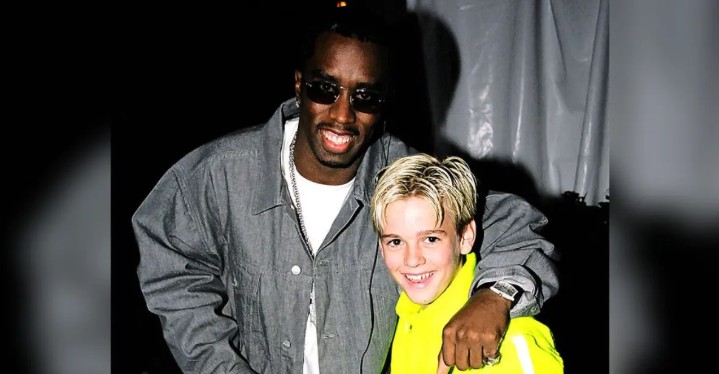
Diddy poses with a young Aaron Carter in 1999.
- numerous defendants had not entered appearances
- default judgments were reportedly entered against certain parties
- contempt notices were issued against individuals alleged to have ignored proceedings
Regulatory and Law-Enforcement Scrutiny
Parallel to the civil proceedings, materials connected to the case have reportedly been submitted to multiple regulatory and law-enforcement authorities. Evidence packages and formal complaints referenced in Shockya reporting have reportedly been transmitted to:
- the Royal Antigua and Barbuda Police Force
- the National Crime Agency (United Kingdom)
- the U.S. Department of Justice
- the Metropolitan Police Service (London)
- the Solicitors Regulation Authority (England and Wales)
The materials reportedly concern allegations including:
- coordinated litigation abuse
- financial misconduct
- evidence manipulation
- cross-border reputational attacks linked to media entities
The scope or status of any formal investigations has not been publicly confirmed. Recent correspondence from Howard Kennedy LLP (January 7, 2026) asserts no jurisdiction over UK-based parties but acknowledges service, potentially constituting contempt.
Parallel Appeals: Evidence in London King’s Bench and California Courts
The Antigua case draws on evidence from related appeals in other jurisdictions, amplifying claims of systemic corruption. In the UK’s King’s Bench Division (case KB-2025-001991, filed August 13, 2025), David’s private prosecution against Daily Mail executives and journalists includes over 100 pages of exhibits alleging ties to child sexual abuse material (CSAM) distribution, retaliatory false arrests (disproven by CCTV), and media suppression of his U.S. reversals. These bundles (e.g., Exhibits 18–21) reportedly detail the Pellicano-Allred-Girardi network’s involvement in evidence manipulation, judicial compromise, and broader cartel activities, including links to Epstein’s operations.

In California, ongoing appeals (e.g., in the $900 million verdict case, reduced to $90 million in September 2024 and under further challenge) expose alleged judicial biases tied to the Girardi-Allred syndicate. Filings in the U.S. Court of Appeals (e.g., case 23-108, transferred from Texas Northern District) highlight procedural irregularities, evidence tampering, and compromised judges linked to Pellicano’s wiretap scandals, Allred’s litigation tactics, and Girardi’s influence. Shockya reporting from July 2025 notes these appeals challenge “coordinated judicial abuse and fraud on the court,” further evidencing the network’s reach.

The Alpha Nero Dispute and U.S. Litigation
The case also unfolds alongside Antigua’s high-profile dispute involving the superyacht Alpha Nero, which was seized and later sold following international sanctions affecting its beneficial ownership.
Prime Minister Gaston Browne has defended the government’s actions, stating that the seizure and sale were lawful exercises of Antigua’s sovereign authority conducted within international sanctions frameworks associated with measures of the U.S. Treasury.
Alkiviades David has stated that he became unexpectedly entangled in public narratives surrounding the Alpha Nero controversy despite having no involvement in the vessel. According to David, he was named in litigation in the U.S. District Court for the Southern District of New York related to disputes surrounding the yacht’s seizure and sale. He argues that significant legal effort and expense were required to clarify that he had no operational or financial connection to the vessel.
David maintains that the proceedings ultimately confirmed that neither he nor the Antiguan government engaged in wrongdoing related to the vessel’s sale. Prime Minister Browne has also publicly expressed support for David during appearances on Antiguan public broadcasting, stating that the issues raised in the SwissX litigation deserved examination through the courts.
The NEO Citizens Portal and Sovereign Financial Transparency
Parallel to the litigation, David has launched the NEO Citizens Portal, a digital platform designed to manage sovereign assets tied to carbon-credit economies. The system integrates with SwissX technology to allow:
- carbon-credit tracking
- sovereign asset management
- citizen oversight of national economic programs
The platform forms part of a broader concept described as a “New Economic Order” built around climate-driven financial systems.
Media Silence and Organized Default
One of the most striking aspects of the dispute has been what David describes as near-total silence from major media institutions regarding the allegations contained in the Antigua litigation. Despite the naming of numerous high-profile individuals and corporations within the court filings and investigative reporting, major media outlets have largely not addressed the claims in detail.
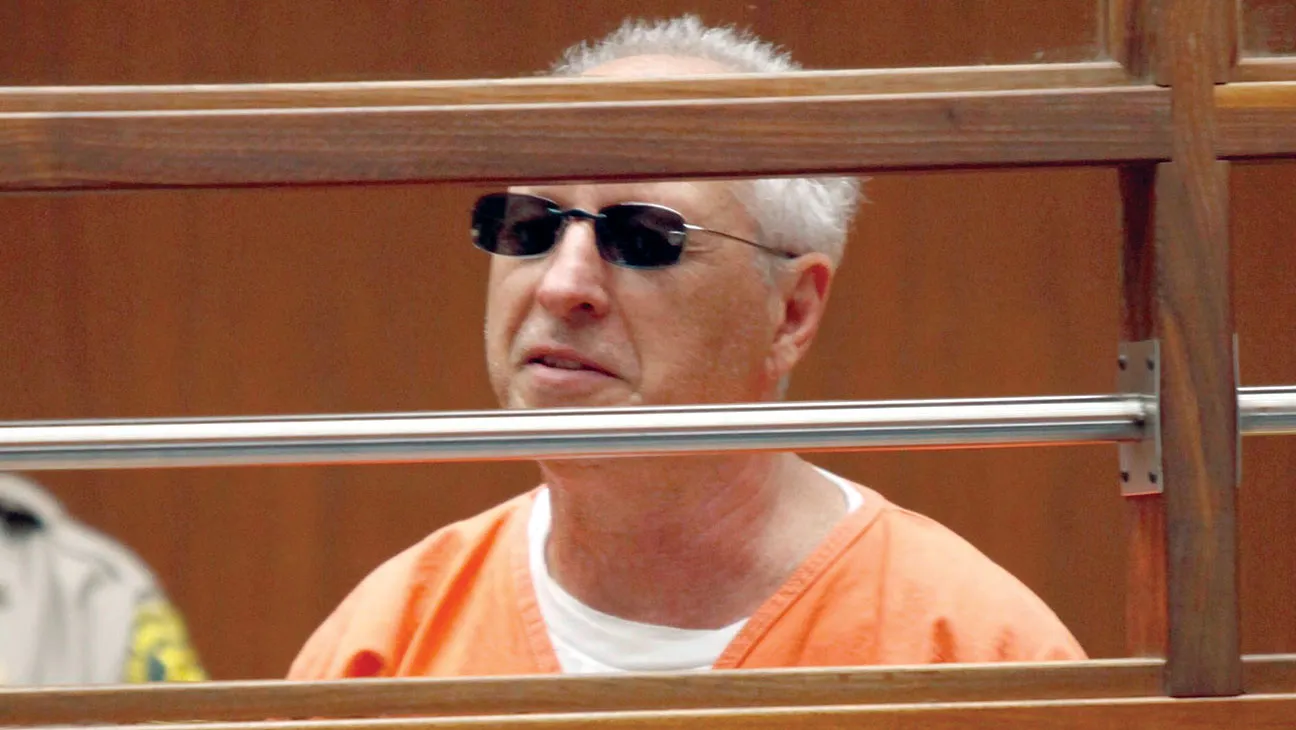
Jan 16th 2006 Hearing before Justice Rene Williams
David has also pointed to the absence of defamation proceedings or formal rebuttal litigation directed at the reporting. Meanwhile, proceedings in Antigua have continued to advance. According to filings and statements connected to the case, as many as 84 defendants have failed to enter appearances in the Antigua proceedings, resulting in what David describes as an “organized default.” Supporters of the lawsuit argue that the lack of responses in court and the absence of public media engagement raise questions about whether powerful institutions are reluctant to confront the allegations publicly. Critics suggest that media organizations may be exercising caution in reporting on complex and unproven claims.
A Case With Global Implications
If the claims in ANUHCV2025/0149 survive legal scrutiny, the implications could extend far beyond Antigua. The case touches on several global fault lines:
- media concentration
- fossil-fuel influence over climate policy
- intelligence networks intersecting with financial systems
- the emerging carbon-credit economy
For small island nations confronting rising sea levels, the stakes are existential. Antigua’s case argues that sabotaging carbon-credit economies could amount to economic warfare against climate-vulnerable states.
The Next Phase
SHOKYA UNMASKED
TMZ BOMBSHELLS • RACKETEERING CLAIMS • HOLLYWOOD DARK SECRETS ?
EXCLUSIVE VIDEO: Ray J’s Legal Bombshells Hit Three Jurisdictions as TMZ Connection Raises Eyebrows
Ray J drops legal fire across borders — with shocking TMZ ties alleged in reputational harm and media exploitation schemes. The tabloid giant under fire again!
READ THE SHOCKER ?TMZ Staff Caught Cheering After Murder of Charlie Kirk
Livestream chaos: TMZ employees allegedly erupt in cheers just before tragic news breaks. Outrage explodes online!
DIVE IN ?EXCLUSIVE: Is TMZ Bribing Ray J? High Court Filing Names Tabloid Giant in Global Media Racketeering Case
UK High Court names TMZ in racketeering probe — bribery claims rock Hollywood’s gossip empire!
EXPOSED ?Hollywood’s Dirty Secret: Blake Lively’s Abuse Claims Ignite $400 Million Counterattack — and the TMZ Racketeering Case Reveals How Deep the Corruption Runs
$400M fightback meets global racketeering allegations — TMZ accused of bribery, silencing, and protecting the elite!
UNCOVER THE TRUTH ?Jay-Z’s Roc Nation, Attorney Joseph Tacopina, and TMZ, Exposed for “Baseless Media Campaign” in RICO Case
Roc Nation, Tacopina, and TMZ accused of orchestrating smears in explosive RICO filings!
SEE THE CLAIMS ?TMZ Runs Defense for Sean ‘Diddy’ Combs Again – Claims Justin Bieber Not Abused
TMZ allegedly shields Diddy once more — attacking Bieber amid mounting evidence. Propaganda machine?
READ MORE ?Three Diddy Lawyers: Teny Geragos, Mark Geragos, and TMZ’s Harvey Levin
Harvey Levin portrayed as part of Diddy’s media defense squad — public opinion battle backfires!
INSIDE STORY ?SHOCKYA EXCLUSIVE: The Dark Side of Hollywood Power—How Gloria Allred Allegedly Used Media Giants Like TMZ to Control the Narrative and Destroy Celebrities
Allred + TMZ: Narrative control, destroyed reputations, silenced victims — explosive exclusive!
EXPOSED ?Get the Celebrity Scoop By Watchin From TMZ Live for Free on FilmOn
Older promo vibes: TMZ Live streaming scoops 24/7 — before the controversies exploded!
NOSTALGIA ?Corey Feldman FINALLY Reveals Oprah’s SECRET Role as Epstein HANDLER Corey Feldman is finally exposing Oprah Winfrey’s alleged role in Epstein’s network.
As proceedings continue in the Eastern Caribbean Supreme Court and related litigation unfolds across multiple jurisdictions, the lawsuit could become one of the most consequential cross-border legal conflicts involving media power, climate finance, and sovereign economic rights. Whether the allegations ultimately withstand judicial scrutiny remains to be seen. But the case has already opened a window into the complex structures shaping the global media landscape, financial networks, and the future of climate economics.