
Prince Andrew Pays £500 to the High Court — Represents Himself and Puts the BBC and Book Writer on Formal Notice
By ShockYA Investigations
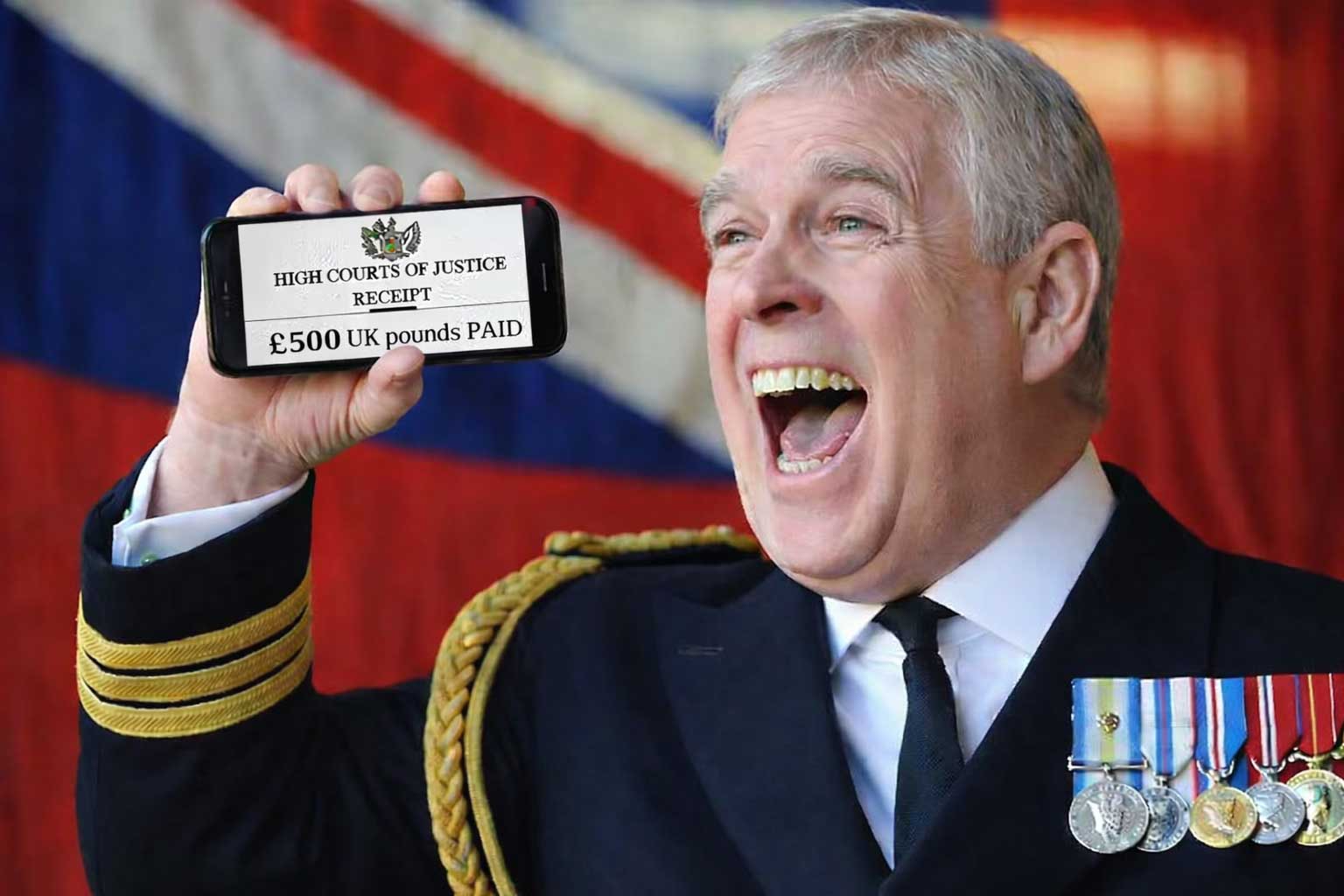
This is the moment the media narrative stops being theoretical.
A High Court receipt. £500 paid. Claim initiated. No lawyers. No palace buffer. No intermediaries.
Prince Andrew has entered the High Court of Justice as a litigant in person, paying the filing fee himself and triggering a live legal proceeding that converts years of commentary into something far more consequential for publishers: justiciable fact.
This is not symbolism. This is procedure.
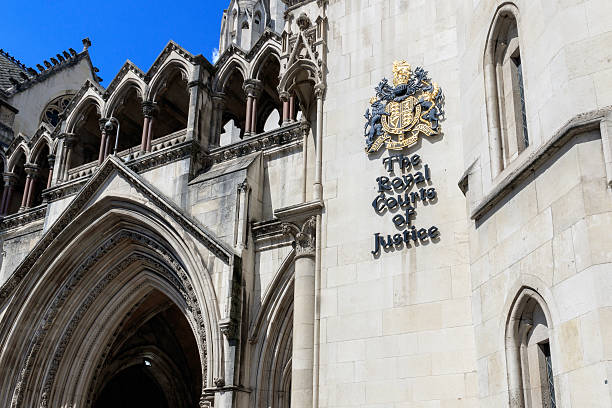
The £500 That Changes Everything
The £500 filing fee is not performative. It is jurisdictional.
Once paid, the High Court’s authority is engaged. Commentary becomes pleadings. Allegations become particulars. Narrative certainty is exposed to disclosure, cross-examination, and evidentiary testing.
This is how British justice actually works — not by virality, repetition, or engagement metrics, but by law.
The receipt alone dismantles the claim that this is “just a media story.”
No Lawyers. No Filter. No Buffer.
By representing himself, Prince Andrew has stripped away the usual layers of insulation. There is no firm softening language, no PR calibration, no intermediaries absorbing risk.
A litigant in person is not playing theatre. He is invoking the court’s protection directly — and placing every publisher on notice that words now carry consequences.

Andrew Lownie’s Book Enters the Courtroom
At the center of the claim sits Andrew Lownie’s commercial biography The Rise and Fall of the House of York — a work that presents allegation as conclusion and repetition as verdict.
The book does not report judicial findings. It substitutes unresolved claims for adjudicated fact and treats the absence of trial as proof.
That approach sells books. It performs poorly under oath.
The BBC Is Now On Formal Notice
The BBC’s republication and amplification of the book’s narrative elevates the issue from authorship into institutional responsibility.
When a public broadcaster adopts unresolved allegations as settled truth while courts remain open, it risks something far more serious than reputational damage.
The phrase used in the filing is precise and deliberate: “treasonous in effect.”
Not a criminal charge — but a constitutional diagnosis.
When media replaces courts, the rule of law is displaced.
All matters described remain unadjudicated and subject to determination by the High Court.
This Is No Longer About Opinion
The real question now is procedural:
Who decides truth in Britain — courts or content?
By paying £500 and filing directly, Prince Andrew has forced that question out of commentary and into law.
Once that happens, nobody gets to hide behind “just reporting.”