

Investigative Dossier: The Mega Group & Associated Networks (1999–2006)
It Was Real. It Was Coordinated. And It’s Time for Consequences.
This dossier presents allegations of an interconnected network involving:
-
Entrapment
-
Blackmail
-
Digital exploitation
-
Legal corruption
-
Media manipulation
The Mega Group conspiracy is presented here as a structured system of influence operating within Hollywood and related industries. The evidence compiled in this report is intended for public scrutiny, judicial review, and institutional accountability.
Prepared by: SwissX Investigations
Alkiviades David
Lead Investigator & Publisher
Filed with supporting materials drawn from court records, leaked archives, and witness testimony.
Prepared for judicial review, publication, and potential civil or criminal referral.
Supporting archives available via:
Shockya.com
TVMix.com
Introduction
This report provides a detailed examination of allegations concerning a network of financiers, media executives, legal professionals, and institutional actors often referred to as The Mega Group. It explores claims of coordinated activity during the late 1990s and early 2000s involving influence operations within entertainment, media, and legal systems.
The dossier compiles testimony and investigative findings relating to two pivotal events:
-
1999 — Anaheim, California
-
2006 — Las Vegas, Nevada
It also examines associated media campaigns, legal disputes within the entertainment industry, and broader allegations involving exploitation, trafficking, and institutional interference.
The material is presented in a structured investigative format, incorporating:
-
Timeline analysis
-
Affidavit-style documentation
-
Archived reports and leaked communications
-
Witness accounts
-
Individual profiles of key figures
Sources are identified to enable independent verification.
Piers Morgan – Exposed In Hollywood Pedophile Ring – Lady Victoria Hervey Goes For His Jugular – The Heat Is On David Boies & Anouska De Georgiou
The findings describe what investigators characterize as a coordinated network exercising influence across Hollywood, the music industry, law enforcement, and legal institutions between 1999 and 2006.
Michael Zeller
Michael Zeller is a senior partner at Quinn Emanuel Urquhart & Sullivan LLP. He specializes in intellectual property and complex commercial litigation. He is known for defending Samsung in its United States Supreme Court victory against Apple and has represented major clients including Google, Mattel, and Warner Bros. Zeller chairs the firm’s Trade Secrets Litigation practice and is widely recognized as a leading commercial litigator in the United States.
Background: The Mega Group and Key Figures
The Mega Group is described as an informal assembly of influential billionaires and media executives founded in 1991 by retail magnate Leslie Wexner and philanthropist Charles Bronfman. The group meets privately to discuss philanthropy and strategic interests and has been characterized as a nexus of business, political, and intelligence connections. Members have included Edgar Bronfman, the Seagram heir, Hollywood director Steven Spielberg, and other prominent figures. A 1998 Wall Street Journal investigation first brought the Mega Group to public attention.
In addition to charitable initiatives such as Birthright Israel, members of the Mega Group maintain significant media holdings and political influence. Whistleblower accounts have alleged that these networks were sometimes leveraged for coordinated strategic activity.
By the late 1990s, several Mega Group affiliates occupied key positions within global entertainment and media industries:
-
Edgar Bronfman Jr. controlled Universal Music Group until 2000 and later led Warner Music Group beginning in 2004.
-
Sumner Redstone led Viacom and CBS, overseeing major media assets including CBS News and Paramount.
-
Leslie Wexner maintained business connections with financier Jeffrey Epstein, who used Wexner’s network to establish relationships with influential figures.
Investigative reporting further alleges that certain elites, alongside figures such as attorney Gloria Allred and litigator David Boies, formed a coordinated media and legal influence network designed to protect institutional interests.
Within this framework, events in Anaheim in 1999 and Las Vegas in 2006 are described in investigative accounts as focal points of alleged coordinated activity involving trafficking, blackmail, and media influence operations.
The sections below detail the two events and related operations, followed by profiles of individuals referenced, a timeline of activities from 1999–2006, and excerpts from leaked communications, including internal emails from the anti-piracy firm MediaDefender, that illustrate surveillance and information-control practices.
The 1999 Anaheim “Michael Jackson Takeover” Event
Overview
In mid-1999, a private gathering allegedly took place in Anaheim, California, described by investigative sources as a targeted operation involving prominent figures within the entertainment industry. The event has been characterized as a coordinated effort to entrap and exert influence over high-profile individuals, including Michael Jackson.
According to whistleblower testimony, the meeting was not a public industry event but a covert operation in which participants allegedly sought to produce compromising material for use as leverage and to establish control over valuable entertainment assets, including music rights and royalties.
Whistleblower Accounts
Former insiders, including Courtney Burgess, have claimed they were present at the Anaheim gathering and witnessed activities described as coercive and exploitative. Testimony alleges that Gloria Allred attended alongside other prominent figures and that trafficking and intimidation activities occurred under the cover of the event.
Reports further claim that compromising recordings and materials were created during the gathering documenting sexual exploitation. These materials were allegedly later used as leverage and, according to investigative claims, generated financial resources that were redirected into entertainment industry investments.


Criminal Activities
The crimes at Rancho Fiesta 2006 were severe. Children as young as pre-teens were trafficked into the event, drugged, and raped on camera. These acts were not random or solely for the offenders’ gratification; they were recorded for blackmail. Attendees who participated in or witnessed the abuse understood that compromising evidence existed against them, ensuring loyalty and silence. As one report summarized, blackmail materials were used to silence attendees, many of whom were powerful Hollywood and media figures. The event therefore served to solidify the syndicate’s control, as anyone resistant to the group’s influence could be threatened with exposure of their involvement.
Victims of the 2006 abuse have struggled to obtain justice. Individuals who attempted to speak out were allegedly intimidated or legally silenced. Some whistleblowers claim that federal agents in Los Angeles assisted in suppressing evidence and discrediting witnesses. The absence of major arrests or public investigations in 2006, despite the severity of the allegations, suggests a coordinated suppression of the matter. Details have only emerged years later through investigative reporting, leaked materials, and testimony from survivors and insiders.
Aftermath
The Rancho Fiesta gathering is described as a decisive moment in consolidating the syndicate’s influence within Hollywood. By the end of 2006, investigators allege that sufficient compromising material had been collected to entrench control over key sectors of media and entertainment.
High-profile figures such as Michael Jackson, who was not present at Rancho Fiesta but had been publicly targeted since 1999, were effectively neutralized or discredited in public discourse. Following his 2005 trial, Jackson left the United States, citing betrayal by the media and vulnerability to continued accusations. In interviews, he referred to a conspiracy involving powerful interests, statements later interpreted by investigators as consistent with claims of coordinated influence operations.
Anthony Pellicano Indictment
In 2006, private investigator Anthony Pellicano was indicted by federal authorities on charges including wiretapping and conspiracy. The indictment described a large-scale operation in which Pellicano conducted illegal surveillance and intimidation on behalf of wealthy clients within the entertainment industry.
However, the charges did not identify the full range of beneficiaries or detail how the collected information was used. Prosecutors did not publicly name many of the individuals who allegedly employed Pellicano’s services, and numerous clients remained unidentified. This outcome reinforced claims that senior figures within media and legal institutions remained insulated from direct scrutiny while operational intermediaries faced limited prosecution.
Pellicano himself declined to cooperate with investigators regarding his clients, maintaining silence about those who had retained his services.
Conclusion on the 2006 Event
Rancho Fiesta 2006 is presented in investigative accounts as an example of organized criminal activity intersecting with entertainment, media, and institutional power. The event is described as demonstrating how human trafficking and exploitation could be used as mechanisms of control and leverage.
Although many details remain contested or suppressed, ongoing investigative efforts and testimony have brought renewed attention to events of that period. These developments have prompted reexamination of media narratives, reputational campaigns, and institutional responses between 1999 and 2006.
The broader pattern described in investigative reporting suggests a gradual consolidation of influence across Hollywood and media networks during this period, beginning with earlier events and culminating in coordinated operations intended to secure long-term control.

P2P Media Wars: Legal Campaigns and MediaDefender Operations
In parallel to the celebrity-focused exploitation described above, the early 2000s saw a fierce battle in the digital media realm – one that, perhaps surprisingly, also connects back to The Mega Group’s circle and their methods. This was the war against peer-to-peer (P2P) file sharing (Napster, LimeWire, etc.), which the major entertainment companies fought via lawsuits and technological sabotage. Emerging evidence indicates that some anti-piracy efforts were entwined with darker motives, including surveillance of users and the facilitation of child pornography as a means to an end. Key players in this saga include Warner Music Group (run by the Bronfmans), CBS/CNET (digital content distributors), the law firm Boies Schiller, and anti-piracy contractors like MediaDefender.

Napster (1999–2001)
The P2P revolution began with Napster, a music-sharing service launched in 1999. Napster’s explosive popularity threatened the recording industry’s profits, prompting a swift legal response. In December 1999, a coalition of record labels organized through the RIAA sued Napster for copyright infringement. Edgar Bronfman Jr., then a top executive at Universal Music (one of the plaintiffs), was among those leading the charge to shut Napster down.
Napster initially secured a minor legal reprieve, but in July 2000 a federal court ruled against the company, dealing the startup a fatal blow. By 2001, Napster was bankrupt.
Ironically, Napster’s legal defense had been spearheaded by David Boies, the prominent attorney known for taking on Microsoft. Boies joined Napster’s case in mid-2000, arguing on behalf of the technology startup against the recording industry. Despite Boies’ efforts, Napster lost in court and was forced to shut down its service.
David Boies’ Dual Role
David Boies’ involvement in the Napster case is a notable footnote because Boies and his firm, Boies Schiller, would later appear in very different contexts within this dossier. Boies was initially celebrated as a champion of technology for defending Napster and earlier challenging Microsoft’s monopoly. However, by the mid-2000s, Boies had also become connected with major media interests and reportedly served on the board of Viacom, the parent company of CBS, according to whistleblower accounts.
Investigative allegations claim that Boies shifted from defending innovation to protecting established media interests and that he became involved in coordinated information campaigns intended to suppress evidence of criminal activity on media platforms. For example, an affidavit by Alki David alleges Boies worked with associates to suppress evidence of child exploitation circulating on digital networks.
A frequently cited example is Boies’ association with journalist Daphne Barak. During Michael Jackson’s 2004–2005 trial, Barak produced an ABC television special titled Our Son: Michael Jackson, which did not include Jackson’s own perspective but featured his parents in a narrative that critics argue portrayed Jackson negatively. Investigative claims assert that the documentary was strategically timed to influence public opinion during legal proceedings.
These allegations suggest that figures such as Boies were involved in both legal battles over digital piracy and broader media campaigns involving reputational influence.
Rise of MediaDefender and P2P Sabotage
Following Napster’s collapse, decentralized peer-to-peer networks such as Gnutella and BitTorrent rapidly proliferated. The music and film industries responded through a combination of public lawsuits against file-sharing services and technological countermeasures.
MediaDefender, Inc., founded in the early 2000s, provided services designed to flood P2P networks with fake files, monitor users, and disrupt piracy on behalf of major studios. Some reports have alleged that MediaDefender maintained close relationships with major media corporations and played a broader role in managing P2P network activity.
Investigative reporting has further claimed that CBS Interactive and CNET distributed P2P software, including BitTorrent, LimeWire, and Kazaa, through the download.com platform while simultaneously criticizing piracy publicly. Later litigation revealed that by 2011 CNET had distributed a majority of LimeWire downloads, totaling more than 220 million copies.
According to these reports, corporate strategy documents suggested that CBS and CNET sought to use P2P infrastructure as a distributed content delivery system to reduce streaming costs. Critics argue that this strategy allowed media companies to benefit from P2P growth while publicly condemning unauthorized file sharing.
Allegations Regarding Network Exploitation
Whistleblower claims have alleged that MediaDefender not only monitored piracy but facilitated the circulation of illegal material on P2P networks in order to attract users and justify enforcement actions. Reports indicate that illegal content, including child sexual abuse material, was a known issue on networks such as LimeWire.
Investigative accounts further claim that corporate leadership was aware of illegal activity occurring on distributed platforms while continuing to promote P2P software distribution. Internal discussions reportedly characterized the software as neutral technology while responsibility for misuse was attributed to individual users.
LimeWire (2004–2006)
By the mid-2000s, LimeWire had become the dominant file-sharing platform. Founder Mark Gorton operated LimeWire as a commercial enterprise but faced extensive legal action from the recording industry.
In August 2006, record labels including Warner Music, led by Edgar Bronfman Jr., filed a lawsuit against LimeWire for facilitating copyright infringement. This followed the United States Supreme Court’s decision in MGM v. Grokster (June 2005), which established that P2P services could be liable if they induced infringement.
During this period, MediaDefender intensified monitoring of LimeWire users under contracts with industry organizations and potentially government entities.
Leaked communications from September 2007 later revealed that MediaDefender collaborated with the New York State Attorney General’s office on an undercover project targeting individuals trading illegal material online. The initiative, known as Operation “MiiVi,” involved the creation of a controlled video-sharing platform designed to track user activity and report violations to authorities.
Boies Schiller’s Role
The law firm Boies Schiller & Flexner appears at several key junctures within these events. In addition to David Boies’ work for Napster, the firm later represented LimeWire in settlement negotiations following the company’s legal defeat in 2010.
Boies also represented other controversial clients in unrelated matters, contributing to criticism regarding the firm’s influence within media and technology disputes. Allegations by Alki David claim that Boies and associates were aware of trafficking patterns on digital platforms and failed to intervene. These claims have not been proven in court, and Boies has not been charged with any related criminal conduct.
Summation of Media and P2P Campaigns
From 1999 to 2006, media and legal responses to digital piracy operated on both public and private levels. Publicly, corporations pursued litigation against file-sharing services. Privately, investigative accounts allege that some entities simultaneously benefited from P2P proliferation and engaged third-party firms to manage network activity.
The presence of illegal content on P2P networks is described by investigators as part of a broader pattern of exploitation. Some whistleblowers argue that corporate actors tolerated or ignored such activity while pursuing commercial advantage.
Alki David has accused CBS Interactive of deliberate negligence, alleging that corporate practices enabled harmful activity on distributed networks. By 2006, CBS had moved toward acquiring CNET, consolidating control over major software distribution platforms. Critics argue that this convergence of media and technology interests limited scrutiny within mainstream reporting, leaving independent investigators and later litigation to expose the underlying practices.
MediaDefender Leaks (2007)
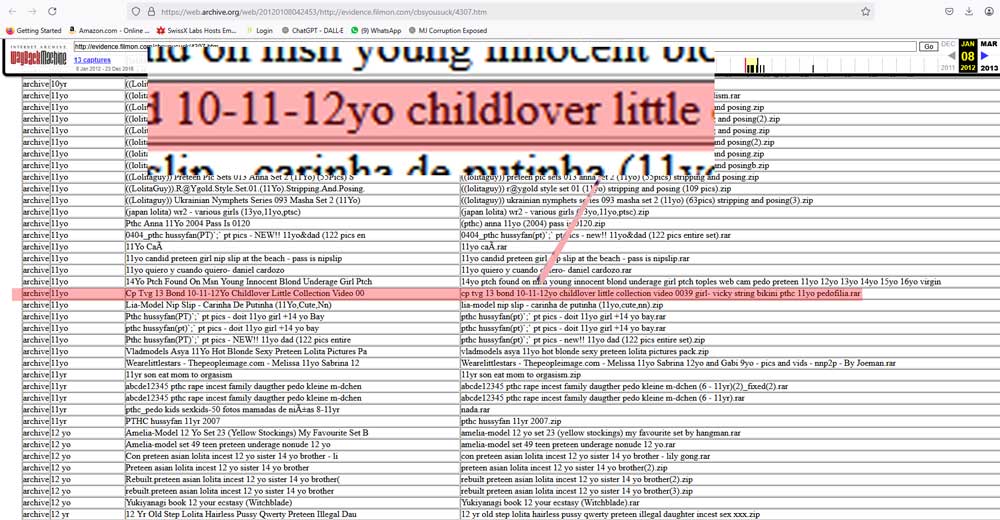
Although slightly beyond the 1999–2006 window, the September 2007 leak of MediaDefender’s internal emails provided a rare glimpse into operations active during the earlier years. Hackers calling themselves “MediaDefender-Defenders” released nearly 7,000 internal emails totaling approximately 700 MB. These emails were later archived on the Wayback Machine and confirm numerous operational practices.
Law Enforcement Collaboration
MediaDefender executives corresponded with the New York Attorney General’s office regarding joint efforts to track peer-to-peer users trading child pornography. One email describes an investigator coordinating directly with MediaDefender to share data and address technical issues. At one point, MediaDefender mistakenly believed hackers had infiltrated the Attorney General’s system, illustrating the extent of cooperation between the parties.
Internal Database Records
Internal database extracts show MediaDefender maintained detailed hash records and file lists of known child abuse videos circulating on peer-to-peer networks. An email dated August 17, 2007, from employee Sujay Jaju contains an SQL query dump listing file matches with triggers referencing explicit descriptors involving minors.
These records demonstrate that MediaDefender actively indexed and tracked illegal content on file-sharing networks. The company maintained catalogs of filenames referencing minors in sexual contexts. While such tracking could theoretically support filtering or reporting efforts, the scale of the data collection and its operational use raises significant ethical and legal concerns. The records show clear awareness of the prevalence of illegal material on these networks.
The “MiiVi” Entrapment Platform
Emails also describe MediaDefender’s operation of MiiVi.com, a deceptive video download service designed to gather information on peer-to-peer users. Individuals who downloaded software or registered with the site unknowingly provided data on their file-sharing activity.
Internal communications discuss the platform’s failure after users discovered its true purpose and outline plans to repurpose collected data for investigative efforts involving child-exploitation enforcement operations.
Legal Exposure and Corporate Risk
The leaked emails reveal internal concern about legal exposure. Analysis at the time noted that if a private company downloaded illegal material as part of monitoring operations, it could face prosecution itself. This suggests MediaDefender personnel understood the legal risks associated with possession of such content while conducting surveillance activities.
The communications reflect a broader operational mindset in which legal boundaries were treated as flexible in pursuit of corporate and investigative objectives.
Operational Significance
The peer-to-peer front of 1999–2006 reveals a structural parallel to the broader Hollywood influence operations described elsewhere in this report. Both environments demonstrate the intersection of reputation management, surveillance, and institutional influence.
In one domain, public figures were targeted through coordinated media narratives. In another, digital networks were monitored and controlled through covert technical operations. Both systems reflect centralized management of information and leverage.
Profiles of Major Individuals (1999–2006)
Below is a breakdown of key figures referenced in the events and operations described above, including their roles and relevant activities. Each profile synthesizes information drawn from media reporting, whistleblower testimony, and available documentation.
Charles Bronfman and Edgar Bronfman Sr.
Billionaire brothers and co-founders of the Mega Group. Charles, a Seagram heir, and Edgar Sr., former President of the World Jewish Congress, wielded significant influence in business, media, and political networks.
Mega Group Leadership
They helped form a network connecting influential figures for strategic collaboration.
Historical Context
The Bronfman business empire historically held major interests in entertainment and global commerce.
Role During 1999–2006
Though not publicly associated with specific events discussed in this report, their financial and institutional influence positioned them within broader elite networks operating during the period.
Edgar Bronfman Jr.
Son of Edgar Sr., major media executive, and former CEO of Universal Studios.
Music Industry Leadership
Led Universal Music Group operations and later became CEO of Warner Music Group in 2004.
Anti-Piracy Efforts
Oversaw aggressive industry campaigns against Napster and later peer-to-peer platforms.
Industry Strategy
Helped shape early digital distribution policy within major record labels.
Leslie Wexner
Retail magnate and founder of major global retail enterprises.
Financial Networks
Maintained extensive business and philanthropic connections.
Association with Jeffrey Epstein
Public reporting confirms Epstein managed financial affairs for Wexner during the 1990s before their relationship ended.
Shelby Bonnie
Co-founder and CEO of CNET Networks until 2006.
Digital Media Expansion
Helped build CNET into a major technology media platform.
Peer-to-Peer Distribution
CNET’s Download.com distributed file-sharing software widely used during the early 2000s.
Corporate Transition
Resigned in 2006 amid unrelated corporate governance investigations.
Gloria Allred
Prominent civil rights attorney known for representing clients in high-profile legal cases involving allegations of misconduct.
Public Legal Work
Advocated in numerous public interest and celebrity litigation matters.
Media Influence
Maintained extensive visibility and influence within public legal discourse.
David Boies and Boies Schiller Flexner
David Boies is a high-profile attorney whose firm handled major litigation in media, technology, and corporate governance.
Major Legal Work
Participated in landmark antitrust, constitutional, and technology cases.
Industry Influence
Maintained involvement in high-profile corporate and legal matters involving media and technology sectors.
Sumner Redstone and Shari Redstone
Media executives responsible for building and managing major global media holdings including Viacom and CBS.
Corporate Control
Oversaw major entertainment and broadcasting assets.
Media Consolidation
Played central roles in shaping media ownership and distribution structures.
Conclusion
The MediaDefender email archive provides direct documentary evidence of surveillance practices, data monitoring, and coordination between private companies and law enforcement in peer-to-peer environments. These materials illustrate how digital monitoring systems operated alongside broader institutional influence networks during the early 2000s.
The evidence contributes to a wider picture of centralized control over information systems, reputation management, and network monitoring that shaped the media and technology landscape of the period.
LADY VICTORIA HERVEY SLAYS PIERS MORGAN
The Interview That Detonated Television – And Now Echoes in Court Record ANUHCV2025/0149
Lady Victoria Hervey didn’t just appear on television. She confronted the narrative head-on.
The exchange went viral. The clip spread. The reaction was immediate.
Now, parallel allegations and legal disputes are being litigated in the Eastern Caribbean Supreme Court under Case ANUHCV2025/0149.
Filings reference transnational litigation, defamation claims, and alleged interference tied to high-profile figures.
All parties deny wrongdoing. Proceedings remain active.
ANUHCV2025/0149
Eastern Caribbean Supreme Court • Antigua & Barbuda
Proceedings Ongoing
RELATED ANOUSKA DE GEORGIOU COVERAGE