

Primary Court Filings and Filed Exhibits
Hollywood has a special talent for turning a legal dispute into a public spectacle. What started as a serious workplace claim tied to It Ends With Us is now expanding into a larger media storm, with Taylor Swift and Travis Kelce getting pulled into the same headline orbit as Blake Lively and Justin Baldoni.
What the Claims Say
The core allegations remain the point: Lively has accused Baldoni of sexual harassment and retaliation, and Baldoni has denied wrongdoing. But the public framing has drifted from facts to pressure, the kind that grows louder when famous names enter the chat and every mention becomes a multiplier.
Why Swift’s Name Became a Lever
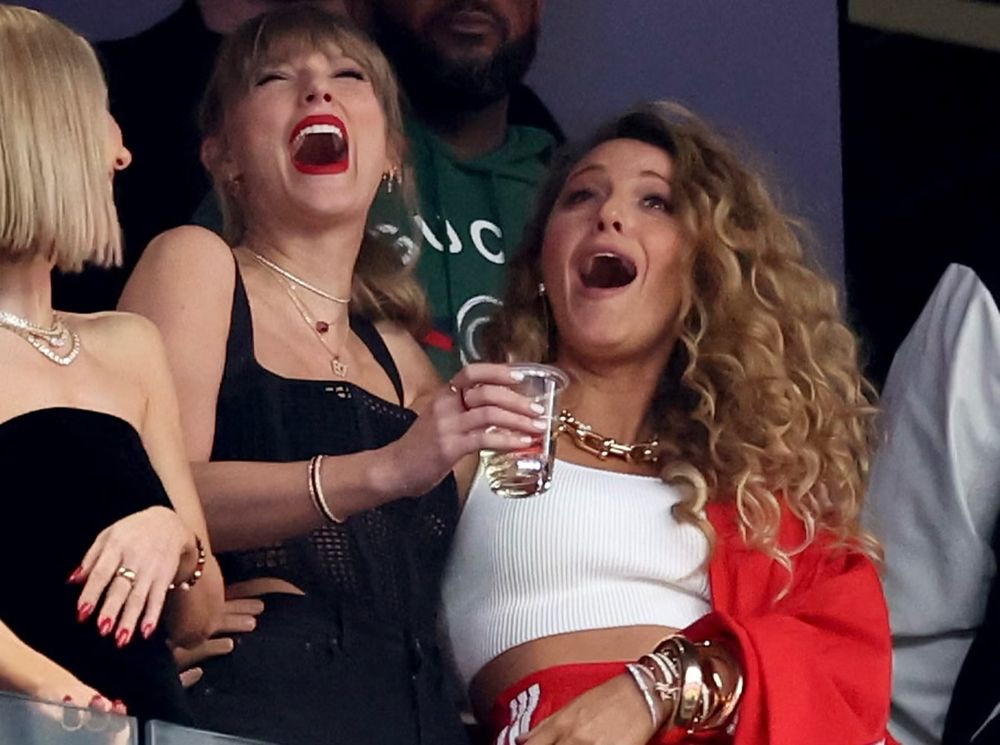
Coverage of the dispute has centered on whether Swift’s role was strictly limited to music licensing, or whether her name gets invoked as part of alleged behind-the-scenes influence and communications. In practical terms, it raises the same uncomfortable question every time: is this about evidence, or about headline power?
When the Courtroom Turns Into a Stage
Once a case starts flirting with celebrity subpoena theater, the courtroom risks becoming a stage where attention itself is weaponized. And that’s how Travis Kelce becomes collateral, not because he’s at the center of anything alleged, but because modern celebrity culture doesn’t just report a dispute, it drags the whole constellation into the blast radius.
Links and Source Material
For readers tracking what’s actually on paper versus what’s just being amplified, the public docket for the matter has been widely circulated (CourtListener docket), alongside filings that have also been posted in full by major outlets (PDF filing).

Hollywood’s Dirty Secret: Blake Lively’s Abuse Claims Ignite a $400 Million Counterattack — and the TMZ Racketeering Case Reveals How Deep the Corruption Allegedly Runs
By Justin Sanchez | Oct 10, 2025
The Blake Lively and Justin Baldoni dispute is not being treated by litigants as a simple Hollywood feud. According to court filings and public statements, it has become a proxy battle in a much larger struggle over power, narrative control, and media enforcement in the modern entertainment industry.
As It Ends With Us collapses under competing lawsuits and allegations of sexual misconduct, retaliation, and weaponized public relations, a separate High Court filing in the United Kingdom alleges that the same media ecosystem enabling these disputes operates on a global scale — linking studios, tabloids, and corporate media entities.
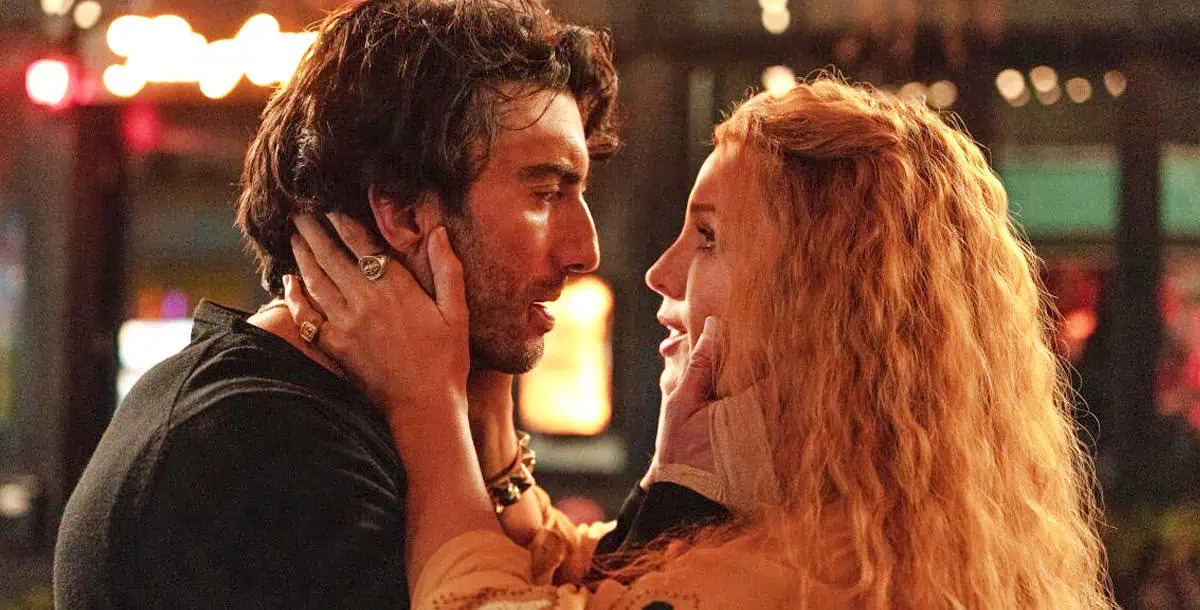
Blake Lively as Lily Bloom in It Ends With Us. Courtesy Everett Collection.
Allegations of Power and Retaliation
In filings and public allegations, Blake Lively has accused director and producer Justin Baldoni, along with producing partner Jamey Heath, of sexual harassment and invasion of privacy during production. The claims include alleged uninvited advances and intrusions into private dressing spaces.
Lively further alleges that after resisting these advances, she was marginalized creatively and subjected to retaliatory narrative framing designed to undermine her credibility. Baldoni has denied wrongdoing and responded with a $400 million defamation lawsuit naming Lively, her husband Ryan Reynolds, and her publicist, alleging a coordinated smear campaign.
The competing lawsuits present Hollywood not merely as a creative industry, but as a battlefield where reputation functions as currency — and access to media channels can determine perceived truth.
TMZ founder Harvey Levin.
The Parallel Case: Alleged Media Racketeering
In a separate matter filed in the UK High Court, plaintiffs allege that TMZ and associated media partners engaged in what the complaint describes as global media racketeering, bribery, and narrative manipulation. These claims remain contested and are the subject of ongoing proceedings.
According to the filing, certain public figures — including former critics — were allegedly offered commercial opportunities, exposure, or favorable coverage to neutralize criticism while serious allegations concerning extortion tactics and illicit content trafficking were redirected or buried.
The complaint names TMZ, CBS Interactive, and the Daily Mail as components of what it terms a “global narrative laundering operation.” All named parties deny wrongdoing.
Ray J, named in UK filings as an illustrative example of alleged media co-option.
Where the Stories Converge
The It Ends With Us dispute illustrates how, according to allegations, studio-aligned public relations strategies can shape public perception — recasting accusers as unstable and alleged abusers as victims.
The UK High Court case, meanwhile, alleges that the same media infrastructure performs this function at scale: redirecting outrage, silencing critics, and managing reputational risk for powerful actors. Both narratives rely on the same alleged formula — discredit the accuser, dominate coverage, and exhaust opposition through repetition.
In this framing, studios and tabloids are not independent forces but adjacent mechanisms: one generates the story, the other manages the consequences.
For years, the public has been told these incidents are isolated — one producer, one director, one rogue tabloid. The overlapping timelines of the Lively-Baldoni litigation and the TMZ-related High Court claims suggest, at minimum, a recurring structural pattern now being tested in court.
Whether the allegations ultimately prevail or fail, the cases collectively challenge the image of Hollywood as a self-policing industry. They raise a darker question now playing out in courtrooms: whether silence, publicity, and power have been quietly engineered into a system — and what happens when that system is finally forced into daylight.
Structural Case Mapping: Media & Legal Power Abuse
This recap presents a neutral, evidence-driven comparison between Wayfarer Studios et al. v. Lively et al. (SDNY) and David v. Media–Legal Defendants (Antigua, UK, California). The purpose is analytical: to identify shared structural patterns, not personalities.
1. Core Structural Pattern
| Element | Baldoni / Wayfarer | David Proceedings |
|---|---|---|
| Power Imbalance | Celebrity + PR apparatus | Global firms + media institutions |
| Trigger Event | Loss of narrative control | Jurisdiction seized & evidence published |
| Response | Narrative inversion | Procedural and reputational inversion |
| Primary Weapon | Allegations pre-discovery | Jurisdictional obstruction |
2. The PR Privilege Procedure Loop
In both matters, reputational damage precedes adjudication. Media narratives are introduced before full discovery, followed by procedural maneuvers designed to delay merits review.
- Pre-litigation narrative seeding
- Invocation of administrative or procedural privilege
- Delay of sworn testimony and discovery
- Reputational harm prior to adjudication
3. Documentary Evidence Strategy
Both cases pivot on contemporaneous documentary records rather than selective excerpts. In each instance, the record improves under scrutiny.
- Stamped filings and service records
- Text and email communications
- Chronological consistency
- Open publication after jurisdictional attachment
4. Jurisdictional Significance
The Eastern Caribbean Supreme Court proceedings introduce sovereign and institutional interests that materially alter the balance of power. Jurisdiction is contested because merits exposure becomes unavoidable once seized.
5. Analytical Conclusion
When narrative control fails, power substitutes allegation for evidence and delay for defense. The distinction lies in posture: defensive survival versus structural exposure.
Hollywood’s Dirty Secret: Blake Lively’s Abuse Claims Ignite $400M CounterattackA deep dive into the Blake Lively–Justin Baldoni scandal and linked TMZ racketeering allegations revealing lobbyist-style media control and narrative manipulation. Read the Full Story |